Product Description
Product Description
Product Description
China Outdoor Furniture Aluminum Garden Rattan Dining Table and Chairs
| Specification | |
| Products’ name | China Outdoor Furniture Aluminum Garden Rattan Dining Table and Chairs |
| Model No. | LA23174 |
| Application | Outdoor, Garden, Patio, Hotel, Restaurant, Cafe, etc |
| Table | DIA80*76CM |
| chairs | 62*65*88CM |
| rattan color | Gray |
| Cushion | 5cm thickness cushion |
| Material | Aluminium frame , pe rattan , tempered glass |
| Table top | 5mm thickness tempered glass |
| Rope | Resistant to poor weather and UV rays |
| Aluminium | Powder coated 1.2mm thickness |
| Color | Black , brown or Optional |
| Adbantage | Suitable for outdoor & garden |
| CBM/set | 2m³ |
| Loading ability | 38sets / 40’HQ |
Service
Company Profile
FAQ
FAQ
———————————————————————————————————————————————
1.How can I get the price?
-Please don’t hesitate to Send Inquiry to us, we usually quote within 2 hours after we get your inquiry
2. Can I buy samples placing orders?
-Yes.Please feel free to contact us.
3.What is your lead time?
-It depends on the order quantity and the season you place the order.
-Usually we can ship within 7-15 days for small quantity,and about 30 days for large quantity.
4.What is your payment term?
-T/T,Western Union,MoneyGram,and Paypal.This is negotiable.
5.What is the shipping method?
-It could be shipped by sea,by air or by express(EMS,UPS,DHL,TNT,FEDEX and ect).
Please confirm with us before placing orders.
6.How do you make ourbusiness long-term and good relationship?
-1. We keep good quality and competitive price to ensure our customers benefit ;
-2. We respect every customer as our friend and we sincerely do business and make friends with them,no matter where they come from.
| Material: | Aluminum |
|---|---|
| Frame Material: | Metal |
| Style: | Modern |
| Type: | Set |
| Usage: | Outdoor |
| Folded: | Unfolded |
| Customization: |
Available
|
|
|---|
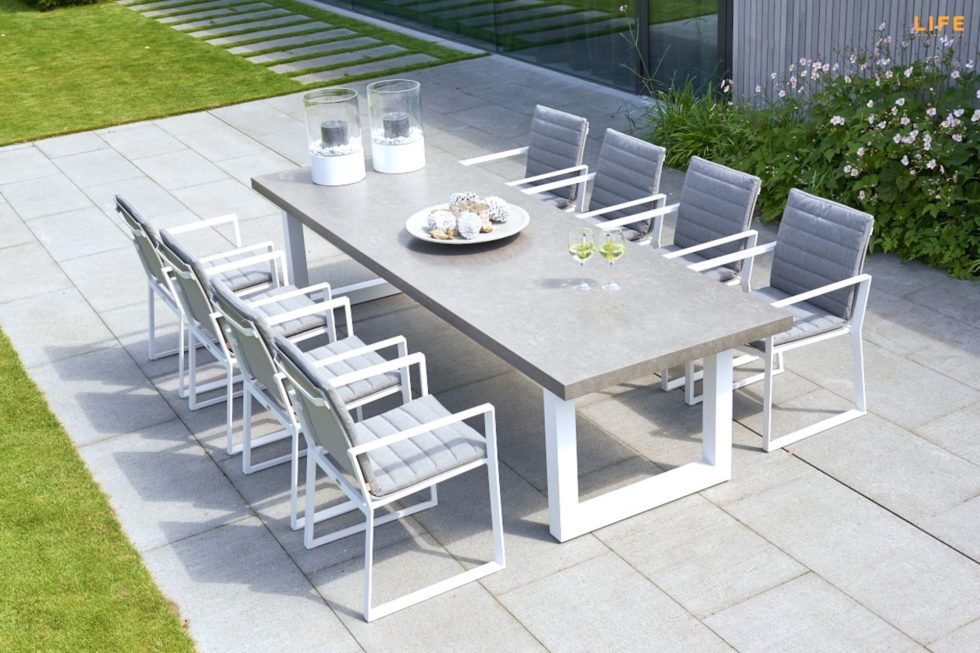
What are the advantages of using teak wood for garden furniture?
Teak wood is a popular choice for garden furniture due to its numerous advantages. Here are some key advantages of using teak wood for your garden furniture:
1. Natural Durability:
Teak wood is naturally durable and known for its exceptional strength and resistance to outdoor elements. It contains natural oils that act as a protective barrier against moisture, pests, and rot. These properties make teak wood highly suitable for outdoor use, as it can withstand exposure to rain, sun, and fluctuating temperatures.
2. Weather Resistance:
Teak wood’s natural oils also contribute to its excellent weather resistance. It is highly resistant to warping, cracking, and splitting, even when exposed to harsh weather conditions. This makes teak wood an ideal choice for garden furniture that needs to withstand the elements year-round.
3. Low Maintenance:
Teak wood requires minimal maintenance compared to other types of wood. Its natural oils help preserve the wood’s integrity and protect it from moisture damage, reducing the need for frequent sealing or staining. Simply cleaning the furniture periodically with mild soap and water is usually sufficient to maintain its appearance.
4. Longevity:
Teak wood is renowned for its longevity. When properly cared for, teak furniture can last for many years, often outlasting other types of outdoor furniture materials. Its durability and resistance to decay make it a long-term investment for your garden.
5. Aesthetic Appeal:
Teak wood has a beautiful natural golden hue that weathers to an attractive silver-gray patina over time. Many people appreciate the warm and timeless appearance of teak furniture, which can enhance the aesthetic appeal of any garden or outdoor space.
6. Versatility:
Teak wood’s versatility is another advantage. It can be easily crafted into various furniture designs, ranging from classic to contemporary styles. Whether you prefer traditional or modern aesthetics, teak furniture can complement a wide range of outdoor settings and personal preferences.
7. Sustainable and Eco-Friendly:
Teak wood is often sourced from sustainable plantations and is considered an eco-friendly choice for furniture. Well-managed teak plantations ensure the replenishment of trees and promote responsible forestry practices.
8. Investment Value:
Teak furniture is often regarded as an investment due to its durability and longevity. While the initial cost of teak furniture may be higher compared to some other materials, its longevity and minimal maintenance requirements can make it a cost-effective choice in the long run.
These advantages make teak wood a highly desirable option for garden furniture. Its natural durability, weather resistance, low maintenance, longevity, aesthetic appeal, versatility, sustainability, and investment value combine to create a compelling choice for outdoor furniture that can withstand the test of time.

What are the top considerations for selecting garden furniture near a pool?
When selecting garden furniture to be placed near a pool, there are several important considerations to keep in mind. These considerations help ensure that the furniture is suitable for the poolside environment and enhances your outdoor experience. Here are the top factors to consider:
1. Material Durability:
Choose garden furniture made from materials that are durable and can withstand exposure to water, sunlight, and pool chemicals. Common materials for poolside furniture include aluminum, teak, wrought iron, resin wicker, and certain types of plastic. These materials are known for their resistance to rust, fading, and deterioration in outdoor settings.
2. Water and Moisture Resistance:
Opt for furniture that is water and moisture resistant, as it will be exposed to splashes from the pool and occasional wet conditions. Look for cushions and upholstery made from quick-drying and water-resistant fabrics. Additionally, consider furniture with slatted designs or mesh materials that allow for better water drainage and airflow.
3. UV Resistance:
Ensure that the garden furniture you choose is UV resistant to protect it from sun damage. Prolonged exposure to sunlight can cause fading, discoloration, and deterioration of materials. Look for furniture with UV-resistant finishes or materials that are specially designed to withstand the sun’s rays.
4. Easy Maintenance:
Select furniture that is easy to clean and maintain, as poolside areas can be prone to dirt, splashes, and other debris. Consider furniture with smooth surfaces, stain-resistant fabrics, or removable and washable cushion covers. Furniture that requires minimal upkeep will save you time and effort in the long run.
5. Comfort and Ergonomics:
Choose poolside furniture that offers comfort and ergonomic support. Look for chairs and loungers with adjustable features, such as reclining backrests and removable cushions. Additionally, consider furniture with armrests and supportive seating that allows for comfortable relaxation by the pool.
6. Safety Features:
Prioritize safety when selecting garden furniture near a pool. Avoid furniture with sharp edges or protruding parts that could pose a hazard, especially if you have children or pets. Opt for furniture with stable and sturdy construction that can withstand accidental bumps or knocks.
7. Style and Aesthetics:
Consider the style and aesthetics of the garden furniture to ensure it complements the overall poolside area. Choose furniture that aligns with your preferred design theme and enhances the visual appeal of the space. Whether you prefer modern, contemporary, or more traditional styles, select furniture that harmonizes with your outdoor environment.
8. Portability and Storage:
If you prefer flexibility or need to store the furniture during certain seasons, consider the portability and storage options. Look for lightweight furniture that is easy to move around, especially if you plan to rearrange the seating arrangement. Additionally, consider folding or stackable furniture that can be conveniently stored when not in use.
By considering these factors, you can choose garden furniture that is well-suited for the poolside environment, enhances your outdoor space, and provides comfort and durability for years to come.

Are there any eco-friendly or sustainable options for garden furniture?
Yes, there are several eco-friendly and sustainable options available for garden furniture. These options prioritize environmentally conscious materials, manufacturing processes, and durability. Here are some examples of eco-friendly and sustainable garden furniture:
1. Reclaimed Wood Furniture:
Furniture made from reclaimed wood is a sustainable choice. Reclaimed wood is salvaged from old buildings, barns, or other sources and repurposed into furniture. This helps reduce the demand for new timber and minimizes waste. Reclaimed wood furniture can have a unique, rustic appearance and is often treated for outdoor use.
2. FSC Certified Wood Furniture:
FSC (Forest Stewardship Council) certification ensures that the wood used in furniture comes from responsibly managed forests. FSC-certified wood is sourced in an environmentally and socially responsible manner, promoting sustainable forestry practices. Look for garden furniture with FSC certification to support sustainable timber production.
3. Recycled Plastic Furniture:
Furniture made from recycled plastic is an eco-friendly alternative to traditional plastic or wood furniture. This type of furniture is made from post-consumer plastic waste, such as plastic bottles or packaging. Recycled plastic furniture is durable, resistant to weather conditions, and requires minimal maintenance.
4. Metal Furniture with Recycled Content:
Some metal garden furniture options incorporate recycled content. For example, aluminum furniture made from recycled aluminum reduces the need for mining new raw materials. Look for manufacturers that use recycled metal in their furniture designs to support recycling initiatives.
5. Bamboo Furniture:
Bamboo is a fast-growing and renewable resource, making it an eco-friendly material for garden furniture. It is known for its strength, durability, and natural resistance to pests and weather conditions. Bamboo furniture is lightweight, aesthetically pleasing, and can be a sustainable choice for outdoor settings.
6. Natural Fiber Furniture:
Natural fibers such as rattan, seagrass, or wicker can be sustainable options for garden furniture. These materials are derived from plants and can be harvested without causing significant harm to the environment. Look for furniture made from sustainably sourced natural fibers and treated for outdoor use.
7. Upcycled or Vintage Furniture:
Consider upcycling or repurposing old furniture to create unique and sustainable garden pieces. By giving new life to pre-existing furniture, you can reduce waste and create personalized and environmentally friendly designs. Additionally, vintage or secondhand garden furniture can be a sustainable choice, as it extends the lifespan of existing pieces.
When selecting eco-friendly or sustainable garden furniture, look for certifications, labels, or information provided by the manufacturer that indicates their commitment to sustainability. Consider the durability, maintenance requirements, and end-of-life disposal options to make an informed choice for your outdoor space.
editor by CX 2023-10-20
China manufacturer New Design Cast Aluminium Garden Outdoor Furniture Set Patio Dining Furniture vacuum pump ac
Product Description
Product Parameters
| Products Name | 162 Long Table with Arc Angle Aluminum Engraving-Wood Grain Color |
| Products Number | TG-ZF070T |
| Products Size |
162*92*H73CM |
Why Choose Us?
1.Top grade Brand aluminium, not recycled.
2.Surface electrolytically powder coated in numberous finishes .
3.Color and design are customizable .
4.Various style for choice.
5.Best price from factory directly.
6.High strength aluminum frame and very thick profile.
7.Professional Development, Design, inspection & sales Team to Serve You!
Welcome to contact us for more models !
Related products
Company Profile
Welcome to Top Glory Furniture, your reliable partner in China. Our company are located in HangZhou, ZheJiang , China. Our main products: Garden furniture, Patio furniture, Outdoor furniture, wicker furniture, PE rattan furniture, Sythetic Furniture, Stainless steel furniture, PP outdoor sofa and chairs, leather sofa, fabric sofa.
HangZhou XIHU (WEST LAKE) DIS. TOP GLORY have founded since 2008. More than 9 years in furniture exporting experirences. We are professional in furniture business and we will become your reliable patner in China. More than 90% of our goods and services are delivery to Europe, America and Australia. We are strict in the quality of the products and have achieved the SGS authentication.
People in TOP GLORY all believe that Today′s quality is Tomorrow′s market.
-Hight quality PE rattan(Viro rattan/Rehau Rattan) outdoor fabric cushions(Sunflower) strong aluminium frame, import top leather from Brasil and Italy.
-Hight quality teak wood: Import from Myanmar
-professional and skillful hand wicker outdoor furniture
-Hight and strictly in quality control, quality is our life, quality is our clients′ benefit and profit.
-Factory Design/ Research and Development: 20 workers
-Factory Employee: 300peoples
-Factory Showroom: 10, 000 sqm
Welcome to TOP GLORY furniture!
Our Factory
Our Advantages
1: Green Product and pro-environment furniture, weatherproof and colorfast
2. Excellent craftsmanship and fashion design
3. High Quality with competitive price and timely delivery.
Our Service
We care about the future of our business, with high quality products and perfect service base on our efficient management and professional work teams
We also accept OEM order
Thank you for visting our website, we warmly welcome you to send us any questions or inquiries that you may have. we are sincerely looking CHINAMFG to hear from you.
FAQ
1.Production Lead Time:
1. High Season (September to April): 30-40 days .
2. Low Season (May to August): around 18-25 days .
3. We will come up with a detailed production schedule for each order and this schedule will be a platform for onward communication between customers and us.
2.payment item:
1. 30% down payment before production and balance before shipment.
2. We can offer different pricing of FOB, CIF and C&F.
3. Cash, Ali Express Escrow, Paypal, West Union, Money Gram, Bank Transfer and L/C are all available.
| Style: | Modern |
|---|---|
| Material: | Aluminum Alloy |
| Usage: | Hotel, Home, Outdoor |
| Shape: | Square |
| Folded: | Unfolded |
| Rotary: | Fixed |
| Customization: |
Available
|
|
|---|
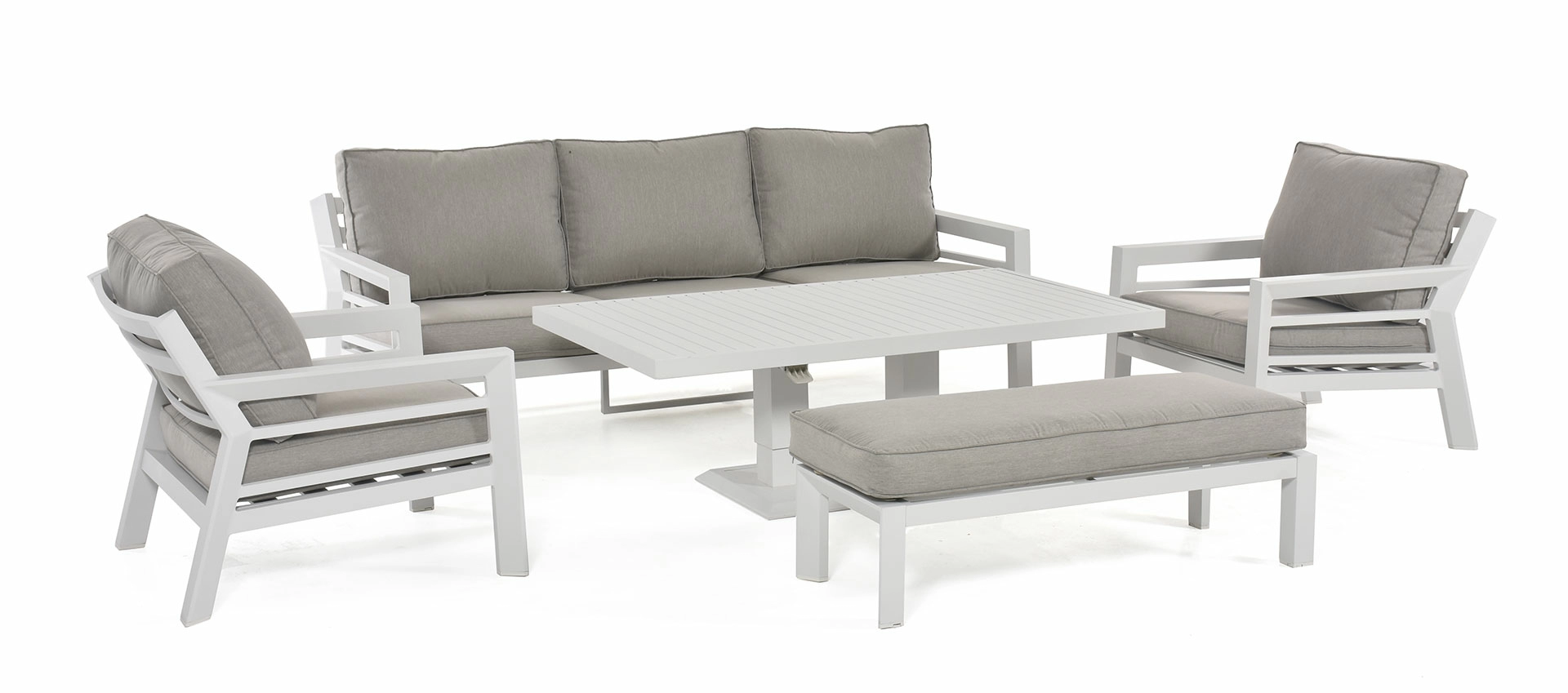
How do I protect my aluminum garden furniture from sun exposure and fading?
To protect your aluminum garden furniture from sun exposure and fading, you can take the following measures:
1. Use Protective Covers:
When your aluminum furniture is not in use, consider covering it with protective covers specifically designed for outdoor furniture. These covers shield the furniture from direct sunlight and help prevent fading. Make sure the covers are properly fitted and secure to withstand wind and other weather conditions.
2. Provide Shade:
If possible, position your furniture in shaded areas of your garden or use umbrellas, awnings, or pergolas to create shade. This will reduce direct exposure to intense sunlight and minimize the risk of fading.
3. Apply Protective Finishes:
Consider applying protective finishes, such as clear coats or sealants, to your aluminum furniture. These finishes can provide an additional layer of protection against UV rays and help maintain the original color of the furniture.
4. Move Furniture to Shaded Areas:
If your furniture is lightweight and portable, you can move it to shaded areas when the sun is at its strongest. This allows you to control the amount of sun exposure your furniture receives and reduce the risk of fading.
5. Clean and Maintain Regularly:
Regular cleaning and maintenance are essential for preserving the appearance of your aluminum furniture. Use a mild detergent and water to clean the furniture, removing any dirt, debris, or stains. Avoid using abrasive cleaners or brushes that may scratch the surface. By keeping your furniture clean, you can prevent dirt buildup that can contribute to fading.
6. Use UV-Protective Fabrics:
If your aluminum furniture has cushions or upholstery, opt for fabrics that offer UV protection. Look for outdoor fabrics specifically designed to resist fading and damage from sunlight. UV-protective fabrics will help prolong the lifespan of your cushions and maintain their vibrant colors.
7. Store Furniture During Long Periods of Non-Use:
If you anticipate long periods of non-use, such as during the winter or when you’re away on vacation, consider storing your aluminum furniture in a covered and dry area to protect it from prolonged sun exposure.
By implementing these protective measures, you can help protect your aluminum garden furniture from sun exposure and fading, ensuring that it remains in good condition and retains its aesthetic appeal for years to come.
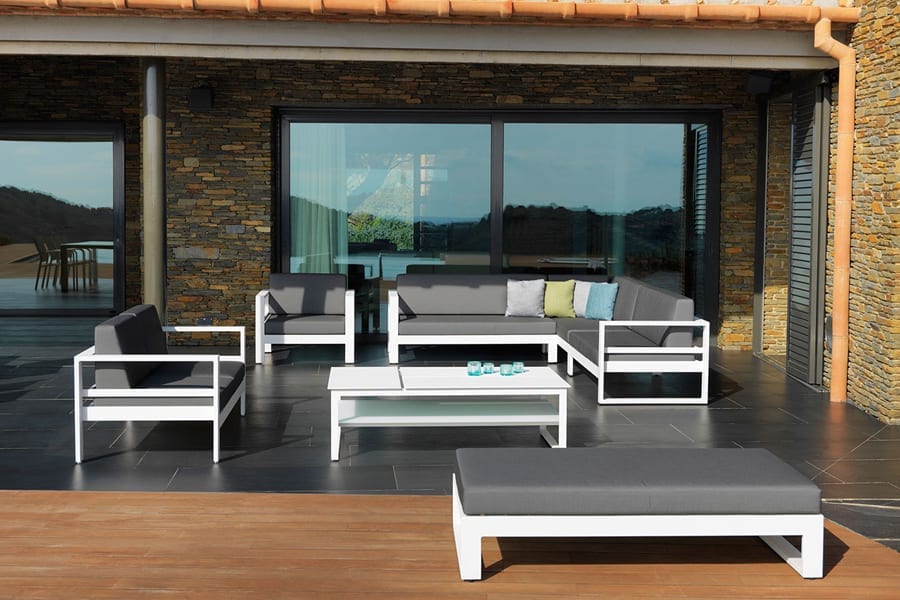
What are the ideal cushions and fabrics for aluminum garden furniture that won’t absorb moisture?
When it comes to cushions and fabrics for aluminum garden furniture that won’t absorb moisture, there are a few options that are well-suited for outdoor use. Here are some ideal choices:
1. Solution-Dyed Acrylic:
Solution-dyed acrylic fabrics are a popular choice for outdoor cushions and upholstery. They are highly resistant to moisture and won’t absorb water easily. Additionally, they are fade-resistant, durable, and resistant to mildew. Solution-dyed acrylic fabrics come in a wide range of colors and patterns, allowing you to find the perfect style for your aluminum garden furniture.
2. Polyester:
Polyester fabrics are another good option for outdoor cushions. They are naturally water-resistant and dry quickly, making them suitable for environments with moisture. Polyester fabrics are also known for their durability and resistance to fading, making them a practical choice for outdoor furniture.
3. Vinyl:
Vinyl fabrics are highly water-resistant and easy to clean, making them ideal for outdoor use. They are often used for cushions and upholstery in areas where moisture is a concern. Vinyl fabrics are available in a variety of colors and textures, providing versatility in design options for your aluminum garden furniture.
4. Olefin:
Olefin fabrics are known for their resistance to moisture and mildew. They have low water absorbency, which makes them suitable for outdoor cushions. Olefin fabrics are also resistant to fading and staining, making them a durable choice for outdoor furniture that will retain its appearance over time.
5. Sunbrella:
Sunbrella is a well-known brand of outdoor fabrics that are highly resistant to moisture. They are made from acrylic fibers that are solution-dyed, offering excellent water repellency. Sunbrella fabrics are also fade-resistant, easy to clean, and come in a wide range of colors and patterns to suit various design preferences.
When choosing cushions and fabrics for your aluminum garden furniture, look for materials that are specifically labeled as suitable for outdoor use. These fabrics are designed to withstand the elements and resist moisture absorption. It’s also a good idea to consider cushions with quick-drying foam or inserts to further prevent moisture retention.
By selecting cushions and fabrics made from these moisture-resistant materials, you can ensure that your aluminum garden furniture remains comfortable and free from moisture-related issues, even in outdoor environments.
How can I maintain and care for my aluminum garden furniture to keep it looking new?
To keep your aluminum garden furniture looking new and well-maintained, here are some tips for maintenance and care:
1. Regular Cleaning:
Regular cleaning is essential to prevent dirt, debris, and stains from accumulating on your aluminum furniture. Use mild soap or a gentle household cleaner mixed with water to clean the surfaces. Avoid abrasive cleaners or tools that can scratch the aluminum. After cleaning, rinse thoroughly with water and dry the furniture completely.
2. Protective Covers:
Consider using protective covers when your aluminum furniture is not in use, especially during long periods of storage or inclement weather. Covers can help shield the furniture from dust, dirt, and UV rays, prolonging its lifespan and maintaining its appearance.
3. Avoid Harsh Elements:
While aluminum is durable and weather-resistant, it’s still a good practice to avoid exposing your furniture to extreme weather conditions whenever possible. Direct exposure to prolonged sunlight, heavy rain, or snow can gradually affect the appearance and finish of the furniture. If you live in an area with harsh weather, consider moving your furniture to a protected area or using umbrellas or shade sails to provide additional protection.
4. Rust Prevention:
Although aluminum is naturally resistant to rust, certain factors can still cause corrosion. To further protect your furniture, apply a thin layer of automotive wax or a specialized metal protector to the surfaces. This protective layer can help guard against oxidation and maintain the shine of the aluminum.
5. Cushion Care:
If your aluminum furniture has cushions, follow the manufacturer’s instructions for cleaning and maintenance. Remove the cushions when not in use or during storage to prevent moisture accumulation. Spot clean any spills or stains promptly to avoid permanent damage.
6. Inspect and Repair:
Regularly inspect your aluminum furniture for any signs of damage or loose parts. Tighten screws or bolts if necessary and address any minor issues promptly to prevent further damage.
7. Seasonal Storage:
If you live in an area with harsh winters or extended periods of non-use, consider storing your aluminum furniture indoors or in a dry and well-ventilated storage area. Clean and dry the furniture thoroughly before storage, and consider using furniture covers or protective wraps to prevent scratches or dings.
By following these maintenance and care tips, you can keep your aluminum garden furniture looking new and extend its lifespan. Regular cleaning, protective covers, avoiding harsh elements, rust prevention, cushion care, inspecting and repairing, and proper seasonal storage will help you maintain the appearance and functionality of your aluminum furniture for years to come.
editor by CX 2023-10-20
China Standard New Retro Style Outdoor Garden Home Furniture Aluminum Rope Chair vacuum pump for ac
Product Description
Product Description
Product Parameters
| Product Name | Aluminum Lounge Rattan Chair Set |
| Item Number | AC1517 |
| Size | W52*D57*H77cm |
| Main Material | Whole plait rattan 8 cm thick white cushion, seat cushion color number: A13807A Black coating surface treatment. Aluminum tube turnkey cane. Black stretch feet plug with oxidation set foot |
| Color | QM276 brown discoloration rattan |
| Advantages | 1. Professional services.(12 years of factory experience) 2. pretty competitive price. (Ex-factory price) 3.OEM is available.(OEM and ODM one-stop service) |
| Useage | Living room, restaurant, dining room, garden, hotel and so on Advantages |
| Package | Standard export carton and wood frame, with EPE foam inside to protect edges |
| Application | hotel, cafe, bistro, bar, resort, plaza, villa, garden, patio, balcony, kitchen, dining room, living room |
Product Features
Company Profile
Apex Horeca
As a supplier of commercial / cantract / event & banquet furniture, with years of development, has grown into a leading and reliable source of quality outdoor furniture to the hospitality industry as well as bespoke furniture and family homes around the world.
Not only will you get the best prices for the best quality up-to-date outdoor furniture, you’ll also find our widest variety of outdoor furniture, help to create an inviting and comfortable atmosphere displaying much character and ambiance for your very own garden/resort/hotel/restaurant/cafe.
Our collections are made with quality materials, and can withstand all the harsh weather conditions and climate. Whether you would like 1 chair to laze on reading paper while sipping on a cappuccino in your garden/balcony or have a hotel/restaurant/cafe project in hand that needs outdoor furniture, welcome to come to us!
We ensure that you will be delighted with your choice!
Projects
Exhibition Record
Certifications
FAQ
1. What is your MOQ?
Depends on items, some are 50pc, some are 20pc.
2. What is the loading port?
HangZhou, HangZhou.
3. What is your payment term?
T/T or L/C.
4. What is your delivery time?
About 20-30 days after 30% deposit received. Stocked items will be faster.
5. What are your warranty terms?
24 month
6.How to control your quality?
We have built a professional technical team for quality control and innovation development. With the powerful management and QA & QC team.
7. What’s materials can we offer?
Aluminum ;stainless steel ;cast iron;wood
8. Did you have stock?
Depend on what products you need. we have stock in some hot selling products.
9. Where are our main export market?
Our main market includes Unite State,Europe
10. How we arrange shipment?
We do business with foreign country for more than 10 years, so we keep a long well our forworders.
11.Can i use my own fabric or other materials?
Yes, please send the materials to our factory before the production. However, we are not responsible for the international delivery cost or any tax.
12.How can I make a change or cancel my order?
Making a change to your order is only allowed before production, Once your order has been produced, the order cannot be canceled or returned.
| Material: | Aluminum Tube, Rattan Rope |
|---|---|
| Style: | Morden |
| Usage: | Bar, Hotel, Dining Room, Outdoor |
| Customization: |
Available
|
|
|---|
.shipping-cost-tm .tm-status-off{background: none;padding:0;color: #1470cc}
| Shipping Cost:
Estimated freight per unit. |
about shipping cost and estimated delivery time. |
|---|
| Payment Method: |
|
|---|---|
|
Initial Payment Full Payment |
| Currency: | US$ |
|---|
| Return&refunds: | You can apply for a refund up to 30 days after receipt of the products. |
|---|
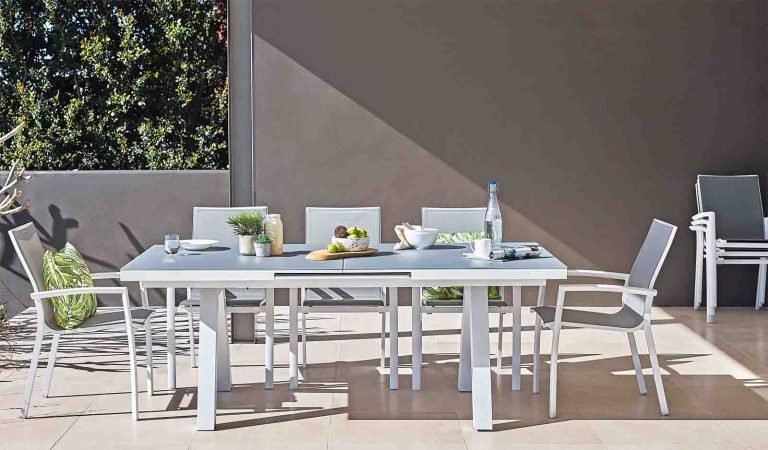
Can outdoor furniture cushions be replaced or reupholstered?
Yes, outdoor furniture cushions can often be replaced or reupholstered, depending on the specific design and construction of the cushions. Here’s a breakdown of the options:
1. Replacement Cushions:
Many outdoor furniture manufacturers offer replacement cushions specifically designed for their furniture lines. These cushions are available in various sizes, shapes, and colors to match your existing furniture. You can contact the manufacturer or search for authorized retailers to find the appropriate replacement cushions.
2. Custom Cushions:
If you cannot find replacement cushions that fit your outdoor furniture, you can consider having custom cushions made. There are companies that specialize in creating custom cushions tailored to your specific measurements and design preferences. This option allows you to choose the fabric, foam density, and other elements to match your outdoor aesthetic.
3. Reupholstering:
If the cushion foam is still in good condition, but the fabric cover is worn or damaged, you can opt to reupholster the cushions. Reupholstering involves removing the old fabric and replacing it with new fabric of your choice. This can be done by a professional upholsterer or as a DIY project if you have the necessary skills and tools.
4. DIY Cushion Covers:
If you have basic sewing skills, you can make your own cushion covers. This option allows you to choose the fabric and customize the design according to your preferences. There are numerous online tutorials and patterns available to guide you through the process of creating new cushion covers.
5. Maintenance:
Regular maintenance can help prolong the lifespan of outdoor cushions. Protecting them from direct sunlight, moisture, and dirt can prevent premature wear and damage. Using furniture covers, storing cushions in a dry place during the off-season, and cleaning them according to the manufacturer’s instructions can help maintain their appearance and condition.
Before replacing or reupholstering outdoor furniture cushions, it’s important to assess the overall condition of the cushions, including the foam inserts. If the foam has deteriorated or lost its shape, it may be necessary to replace the entire cushion rather than just the fabric cover.
Whether you choose to replace, reupholster, or make your own cushion covers, it’s important to consider the specific requirements of outdoor use. Opt for fabrics that are specifically designed for outdoor environments, as they are typically resistant to fading, mildew, and moisture. This will ensure that your new cushions or covers are durable and can withstand the elements.
Are there any DIY projects for building custom outdoor furniture pieces?
Yes, there are plenty of DIY projects available for building custom outdoor furniture pieces. If you enjoy woodworking and crafting, creating your own outdoor furniture can be a rewarding and cost-effective option. Here are a few DIY project ideas for building custom outdoor furniture:
1. Adirondack Chairs: Adirondack chairs are classic and comfortable outdoor seating options. There are numerous plans and tutorials available online that provide step-by-step instructions for building Adirondack chairs from scratch. You can customize the design, size, and finish to match your outdoor aesthetic.
2. Pallet Furniture: Repurposing wooden pallets is a popular DIY trend for creating outdoor furniture. With pallets, you can build various pieces like benches, sofas, coffee tables, and even vertical gardens. Look for pallet furniture plans and tutorials that provide guidance on dismantling and assembling pallets into functional and stylish furniture pieces.
3. Outdoor Dining Table: Building your own outdoor dining table allows you to create a custom piece that fits your space and style preferences. You can choose from various materials such as reclaimed wood, cedar, or treated lumber. Look for plans that provide detailed instructions on construction techniques, sizing, and finishing options.
4. Hammock Stand: If you enjoy lounging in a hammock, consider building a hammock stand. This DIY project typically involves working with wood or metal to create a sturdy and stable structure to hang your hammock. Plans and tutorials are available to guide you through the construction process.
5. Outdoor Bar Cart: Building an outdoor bar cart can be a fun and practical DIY project. You can construct a mobile cart with storage for drinks, glasses, and other bar essentials. Look for plans that include details on materials, measurements, and assembly instructions.
6. Outdoor Bench: Building a bench for your outdoor space provides additional seating and can be a versatile piece of furniture. You can create a simple or intricate design based on your skill level and preferences. Look for bench plans that provide guidance on dimensions, joinery techniques, and finishing.
7. Planters and Trellises: DIY planters and trellises can add both functionality and beauty to your outdoor space. You can build custom-sized planters to fit specific areas or construct trellises to support climbing plants. Plans and tutorials are available for different styles and materials.
When undertaking any DIY project, it’s important to prioritize safety. Ensure you have the necessary tools, materials, and skills for the project. Follow the instructions carefully and take proper safety precautions, such as wearing protective gear and working in a well-ventilated area.

How can I properly care for and maintain my outdoor furniture?
Proper care and maintenance of outdoor furniture are essential to ensure its longevity and keep it looking its best. Here are some tips on how to care for and maintain your outdoor furniture:
1. Clean Regularly: Regular cleaning is crucial to prevent dirt, debris, and stains from accumulating on your furniture. Use a mild soap or specialized outdoor furniture cleaner and a soft brush or sponge to scrub the surfaces. Rinse thoroughly with water and allow the furniture to dry completely before using or covering it.
2. Protect from the Elements: When not in use, it’s beneficial to protect your outdoor furniture from harsh weather conditions. Use furniture covers or store the furniture in a covered area, such as a shed or garage, during extreme weather, prolonged periods of rain, or winter months. This helps prevent excessive exposure to sunlight, moisture, and temperature fluctuations.
3. Apply Protective Finishes: Depending on the material of your outdoor furniture, you may need to apply protective finishes to enhance its resistance to the elements. For example, wooden furniture can benefit from a weather-resistant sealant or protective oil to prevent cracking, splitting, and fading. Metal furniture may require occasional touch-ups with rust-resistant paint or protective coatings.
4. Inspect and Repair: Regularly inspect your outdoor furniture for any signs of damage, such as loose screws, broken parts, or weakened joints. Promptly address any issues by tightening screws, replacing damaged components, or seeking professional repairs if needed. This helps maintain the structural integrity of the furniture and prevents further damage.
5. Store Cushions Properly: If your outdoor furniture has cushions or fabric upholstery, it’s important to store them properly when not in use. Remove the cushions and store them in a dry, ventilated area to prevent mold, mildew, and fading. Consider using storage bags or containers specifically designed for cushion storage.
6. Avoid Harsh Cleaning Agents: While it’s important to clean your outdoor furniture, avoid using harsh cleaning agents, abrasive scrubbers, or power washers as they can damage the furniture’s finish or surface. Stick to mild cleaning solutions and gentle cleaning tools to maintain the integrity of the materials.
7. Follow Manufacturer’s Instructions: Always refer to the manufacturer’s instructions and guidelines for caring for your specific outdoor furniture. They may provide specific recommendations based on the material, design, and finish of the furniture.
By following these care and maintenance tips, you can extend the lifespan of your outdoor furniture and keep it looking beautiful for years to come.
editor by CX 2023-10-20
China Custom Lk-B11 Oilless Low Noise CHINAMFG Dental Air Free Compressor with Good quality
Product Description
LK-B11 Oilless Low Noise CHINAMFG Dental Air Free Compressor
| Voltage/HZ | 100-240V/ 50-60HZ |
| POWER | 0.75HP/0.55KW |
| MAX AIR FLOW | 115L/MIN 4.06CFN |
| AIE FLOW@7BAR | 40L/MIN 1.41CFN |
| MAX.PRESSOR | 8BAR 116PSI |
| TANK | 22L 5.8GALLON |
| GROSS WEIGHT | 29.5KG 65LBS |
| NET WETGHT | 26.5KG 58.4LBS |
| NOISE LEVEL | ≤70 dBA |
| MAX CURRENT | 2.5A |
| Certification: | ISO, CE, FDA |
|---|---|
| Type: | Dental Unit |
| Material: | Aluminum |
| Brand: | Zzlinker |
| Power Source: | AC Power |
| Function: | for 1 Chair |
| Samples: |
US$ 225/Piece
1 Piece(Min.Order) | |
|---|
| Customization: |
Available
|
|
|---|
.webp)
What is the role of air compressors in power generation?
Air compressors play a significant role in power generation, supporting various operations and equipment within the industry. Here are some key roles of air compressors in power generation:
1. Combustion Air Supply:
Air compressors are used to supply compressed air for the combustion process in power generation. In fossil fuel power plants, such as coal-fired or natural gas power plants, compressed air is required to deliver a steady flow of air to the burners. The compressed air helps in the efficient combustion of fuel, enhancing the overall performance and energy output of the power plant.
2. Instrumentation and Control:
Air compressors are utilized for instrumentation and control systems in power generation facilities. Compressed air is used to operate pneumatic control valves, actuators, and other pneumatic devices that regulate the flow of steam, water, and gases within the power plant. The reliable and precise control provided by compressed air ensures efficient and safe operation of various processes and equipment.
3. Cooling and Ventilation:
In power generation, air compressors are involved in cooling and ventilation applications. Compressed air is used to drive air-operated cooling fans and blowers, providing adequate airflow for cooling critical components such as generators, transformers, and power electronics. The compressed air also assists in maintaining proper ventilation in control rooms, substations, and other enclosed spaces, helping to dissipate heat and ensure a comfortable working environment.
4. Cleaning and Maintenance:
Air compressors are employed for cleaning and maintenance tasks in power generation facilities. Compressed air is utilized to blow away dust, dirt, and debris from equipment, machinery, and electrical panels. It helps in maintaining the cleanliness and optimal performance of various components, reducing the risk of equipment failure and improving overall reliability.
5. Pneumatic Tools and Equipment:
In power generation plants, air compressors provide the necessary compressed air for operating pneumatic tools and equipment. These tools include impact wrenches, pneumatic drills, grinders, and sandblasting equipment, which are utilized for installation, maintenance, and repair tasks. The high-pressure air generated by compressors enables efficient and reliable operation of these tools, enhancing productivity and reducing manual effort.
6. Nitrogen Generation:
Sometimes, air compressors are used in power generation for nitrogen generation. Compressed air is passed through a nitrogen generator system, which separates nitrogen from other components of air, producing a high-purity nitrogen gas stream. Nitrogen is commonly used in power plant applications, such as purging systems, blanketing in transformers, and generator cooling, due to its inert properties and low moisture content.
7. Start-up and Emergency Systems:
Air compressors are an integral part of start-up and emergency systems in power generation. Compressed air is utilized to power pneumatic starters for gas turbines, providing the initial rotation needed to start the turbine. In emergency situations, compressed air is also used to actuate emergency shutdown valves, safety systems, and fire suppression equipment, ensuring the safe operation and protection of the power plant.
Overall, air compressors contribute to the efficient and reliable operation of power generation facilities, supporting combustion processes, control systems, cooling, cleaning, and various other applications critical to the power generation industry.
.webp)
What safety precautions should be taken when working with compressed air?
Working with compressed air requires adherence to certain safety precautions to prevent accidents and ensure the well-being of individuals involved. Here are some important safety measures to consider:
1. Personal Protective Equipment (PPE):
Wear appropriate PPE, including safety goggles or a face shield to protect eyes from flying debris or particles, hearing protection to reduce noise exposure, and gloves to safeguard hands from potential hazards.
2. Compressed Air Storage:
Avoid storing compressed air in containers that are not designed for this purpose, such as soda bottles or makeshift containers. Use approved and properly labeled air storage tanks or cylinders that can handle the pressure and are regularly inspected and maintained.
3. Pressure Regulation:
Ensure that the air pressure is regulated to a safe level suitable for the equipment and tools being used. High-pressure air streams can cause serious injuries, so it is important to follow the manufacturer’s recommendations and never exceed the maximum allowable pressure.
4. Air Hose Inspection:
Regularly inspect air hoses for signs of damage, such as cuts, abrasions, or leaks. Replace damaged hoses immediately to prevent potential accidents or loss of pressure.
5. Air Blowguns:
Exercise caution when using air blowguns. Never direct compressed air towards yourself or others, as it can cause eye injuries, hearing damage, or dislodge particles that may be harmful if inhaled. Always point blowguns away from people or any sensitive equipment or materials.
6. Air Tool Safety:
Follow proper operating procedures for pneumatic tools. Ensure that tools are in good working condition, and inspect them before each use. Use the appropriate accessories, such as safety guards or shields, to prevent accidental contact with moving parts.
7. Air Compressor Maintenance:
Maintain air compressors according to the manufacturer’s guidelines. Regularly check for leaks, clean or replace filters, and drain moisture from the system. Proper maintenance ensures the safe and efficient operation of the compressor.
8. Training and Education:
Provide adequate training and education to individuals working with compressed air. Ensure they understand the potential hazards, safe operating procedures, and emergency protocols. Encourage open communication regarding safety concerns and implement a culture of safety in the workplace.
9. Lockout/Tagout:
When performing maintenance or repairs on compressed air systems, follow lockout/tagout procedures to isolate the equipment from energy sources and prevent accidental startup. This ensures the safety of the individuals working on the system.
10. Proper Ventilation:
Ensure proper ventilation in enclosed areas where compressed air is used. Compressed air can displace oxygen, leading to a potential risk of asphyxiation. Adequate ventilation helps maintain a safe breathing environment.
By adhering to these safety precautions, individuals can minimize the risks associated with working with compressed air and create a safer work environment.
.webp)
How does an air compressor work?
An air compressor works by using mechanical energy to compress and pressurize air, which is then stored and used for various applications. Here’s a detailed explanation of how an air compressor operates:
1. Air Intake: The air compressor draws in ambient air through an intake valve or filter. The air may pass through a series of filters to remove contaminants such as dust, dirt, and moisture, ensuring the compressed air is clean and suitable for its intended use.
2. Compression: The intake air enters a compression chamber, typically consisting of one or more pistons or a rotating screw mechanism. As the piston moves or the screw rotates, the volume of the compression chamber decreases, causing the air to be compressed. This compression process increases the pressure and reduces the volume of the air.
3. Pressure Build-Up: The compressed air is discharged into a storage tank or receiver where it is held at a high pressure. The tank allows the compressed air to be stored for later use and helps to maintain a consistent supply of compressed air, even during periods of high demand.
4. Pressure Regulation: Air compressors often have a pressure regulator that controls the output pressure of the compressed air. This allows the user to adjust the pressure according to the requirements of the specific application. The pressure regulator ensures that the compressed air is delivered at the desired pressure level.
5. Release and Use: When compressed air is needed, it is released from the storage tank or receiver through an outlet valve or connection. The compressed air can then be directed to the desired application, such as pneumatic tools, air-operated machinery, or other pneumatic systems.
6. Continued Operation: The air compressor continues to operate as long as there is a demand for compressed air. When the pressure in the storage tank drops below a certain level, the compressor automatically starts again to replenish the compressed air supply.
Additionally, air compressors may include various components such as pressure gauges, safety valves, lubrication systems, and cooling mechanisms to ensure efficient and reliable operation.
In summary, an air compressor works by drawing in air, compressing it to increase its pressure, storing the compressed air, regulating the output pressure, and releasing it for use in various applications. This process allows for the generation of a continuous supply of compressed air for a wide range of industrial, commercial, and personal uses.


editor by CX 2023-10-19
China Professional Glades High Efficiency VSD Rotary Screw Air Compressor with Inverter PLC with Great quality
Product Description
Glades high efficiency VSD rotary screw air compressor with inverter PLC
Motor
The motor with protection class IP54is used, the insulation class is F grade,and the bearing is made of SwedishSKF heavy bearing.
Air end
Adopting twin-screw main engine, largerotor and low speed design, new 5:6asymmetric rotor tooth profile, brandbearing, determines the excellent performance of the whole machine.
Intake valve
The red star intake valve can automaticallyadjust the gas volume according to the requirements of the system gas consumption,reducing operating costs.
MPV
Made of aluminum, it has outstanding antirust performance. With check function.The stable setting of the opening pressureensures that sufficient circulation pressureis established in the system to ensure lubrication of the machine body.
Cooling system
Feature:Large cooler system
Advantage:Axial flow Fan used forgood cooling effect
Benefit:Allow ambient temperature at 52″C.
Smart display screen
Feature:Intelligent control systemAdvantage:10 inch monitor to showall the date
Benefit:Simple operation and trouble free
Oil and gas separator
With the Apuda oil and gas separator,the rigorous oil and gas separationfilter can reduce the oil content of theexhaust gas in the compressor andthe fuel consumption of the unit.
The durable pipe system
The galvanized pipe is more durable, sturdy, longer, longer, and durable.
| Specification | ||||||||||||
| Model | Working Pressure | Air Delivery | Motor Power | Type of Driving | Type of Cooling | Dimension(mm) | Weight | Output pipe | ||||
| psig | bar | cfm | m3/min | kw/hp | L | W | H | (kg) | Diameter | |||
| GLDS-10A | 100 | 7 | 38.8 | 1.1 | 7.5/10 | Driect driven | Air Cooling | 850 | 650 | 800 | 240 | 3/4″ |
| 116 | 8 | 35.3 | 1 | |||||||||
| 145 | 10 | 30 | 0.85 | |||||||||
| 181 | 12.5 | 24.7 | 0.7 | |||||||||
| GLDS-15A | 100 | 7 | 63.6 | 1.8 | 11/15 | 1050 | 700 | 1000 | 450 | 3/4″ | ||
| 116 | 8 | 58.3 | 1.65 | |||||||||
| 145 | 10 | 53 | 1.5 | |||||||||
| 181 | 12.5 | 45.9 | 1.3 | |||||||||
| GLDS-20A | 100 | 7 | 84.7 | 2.4 | 15/20 | 1050 | 700 | 1000 | 450 | 3/4″ | ||
| 116 | 8 | 77.7 | 2.2 | |||||||||
| 145 | 10 | 74.2 | 2.1 | |||||||||
| 181 | 12.5 | 63.6 | 1.8 | |||||||||
| GLDS-25A | 100 | 7 | 109.5 | 3.1 | 18.5/25 | 1250 | 850 | 1100 | 620 | 1″ | ||
| 116 | 8 | 102.4 | 2.9 | |||||||||
| 145 | 10 | 95.3 | 2.7 | |||||||||
| 181 | 12.5 | 81.2 | 2.3 | |||||||||
| GLDS-30A | 100 | 7 | 134.2 | 3.8 | 22/30 | 1250 | 850 | 1100 | 620 | 1″ | ||
| 116 | 8 | 127.1 | 3.6 | |||||||||
| 145 | 10 | 113 | 3.2 | |||||||||
| 181 | 12.5 | 88.3 | 2.5 | |||||||||
| GLDS-40A | 100 | 7 | 187.1 | 5.3 | 30/40 | 1350 | 850 | 1040 | 680 | 1-1/2″ | ||
| 116 | 8 | 176.6 | 5 | |||||||||
| 145 | 10 | 151.8 | 4.3 | |||||||||
| 181 | 12.5 | 127.1 | 3.6 | |||||||||
| GLDS-50A | 100 | 7 | 233 | 6.6 | 37/50 | 1550 | 1571 | 1330 | 850 | 1-1/2″ | ||
| 116 | 8 | 218.9 | 6.2 | |||||||||
| 145 | 10 | 201.3 | 5.7 | |||||||||
| 181 | 12.5 | 162.4 | 4.6 | |||||||||
| GLDS-60A | 100 | 7 | 282.5 | 8 | 45/60 | 1550 | 1571 | 1330 | 850 | 1-1/2″ | ||
| 116 | 8 | 271.9 | 7.7 | |||||||||
| 145 | 10 | 243.6 | 6.9 | |||||||||
| 181 | 12.5 | 211.9 | 6 | |||||||||
| GLDS-75A | 100 | 7 | 370.8 | 10.5 | 55/75 | 1950 | 1270 | 1620 | 1800 | 2″ | ||
| 116 | 8 | 346 | 9.8 | |||||||||
| 145 | 10 | 307.2 | 8.7 | |||||||||
| 181 | 12.5 | 257.8 | 7.3 | |||||||||
| GLDS-100A | 100 | 7 | 480.2 | 13.6 | 75/100 | 1950 | 1270 | 1620 | 1900 | 2″ | ||
| 116 | 8 | 459 | 13 | |||||||||
| 145 | 10 | 399 | 11.3 | |||||||||
| 181 | 12.5 | 356.6 | 10.1 | |||||||||
| GLDS-125A | 100 | 7 | 572 | 16.2 | 90/125 | 2450 | 1600 | 1740 | 1950 | 2″ | ||
| 116 | 8 | 543.8 | 15.4 | |||||||||
| 145 | 10 | 466.1 | 13.2 | |||||||||
| 181 | 12.5 | 395.5 | 11.2 | |||||||||
| Motor Efficiency Class: Ultraefficient/IE3/IE2 as per your required | ||||||||||||
| Motor Protection Class: IP23/IP54/IP55 or as per your required | ||||||||||||
| Certification: CE/ISO9001 | ||||||||||||
| Voltage: 380V/3PH/50HZ/60HZ, 220V/3PH/50HZ/60HZ, 400V/3PH/50HZ/60HZ, 440V/3PH/50HZ/60HZ, 415V/3PH/50HZ/60HZ, 230V/3PH/50HZ/60HZ, dual voltage is also ok | ||||||||||||
Equipment manufacturing industry: spray painting, spray washing machine, mechanical retreat mold, driving the assembly tools, drilling machine, hammer, lifting driving, combined tools, reamer, run run run, riveter screwdriver rotary drive, forging, metal forming press run operation, blasting, spraying, transmission, driving technology process.
Automobile manufacturing industry: spray cleaning parts, driving the assembly tool, fixture tools, lifting hoist crane, pneumatic control, forging hammer pressing workshop, casting workshop, metal workshop blast spray.
Beverage factory: running, bottle washing machine barrel turn, cHangZhou machine internal spraying, cleaning, food industrial used gas drying bottle, automatic operation, ash dust.
Cement manufacturing: Lime storage ventilation, cement slurry stirring and driving, cement bag clean sealing driving, raw material mixing, tipper operation, cleaning equipment, clinker cooling, conveying of cement and coal, cement kiln cleaning, vehicle and vessel handling, lifting and hoisting device, pneumatic control.
Chemical plant: ventilation and mixing, separation tower with gas, cleaning equipment, combustion gas, transportation, lifting liquid, spraying and cleaning pipe, pneumatic control, process gas, liquid transport.
Power plant: air cleaning pipeline, blowing smoke scale, cleaning of boiler and condenser pipe, jet cleaning, coal, sewage removal transmission, pneumatic control.
Hydropower plant maintenance: engine control, lock, drive controller, drive lubrication pump, driving lock, starting control, cleaning rubbish net.
The food industry (general application): mixing liquid, fermentation tank with gas (oxygen), cleaning equipment, with nozzle with nozzle cleaning container transport, food, raw materials, filtration dehydration.
Forging shop: oxygen skin, door, air curtain lifting hoist and hoist, driving the bending and straightening machine, driving clutch brake and a clamping device, the driving hammer, drive the fuel regulator.
Casting: hot metal car positioning, cleaning equipment, transporting sand, drive pneumatic tools, ramming machine, grinding machine, lifting hoist and elevator, pneumatic pick, tamping machine, steel than the brush, sandblasting, sieve sand, mud core.
Glass factory: blow bottle and glass, blow lamp and electronic tube, combustion gas, raw material, light transmission glass etching and drilling, conveying the glass, pneumatic control, vacuum hanging board.
Iron and steel plant: stirring the solution, oxygen with gas, HangZhou gas, converter with skip positioning, a sediment chamber drilling, unloading bags, open hearth CHINAMFG flue cleaning, driving clutch and brake, drive door, driving loading and transporting device, drive lubrication system, drive pneumatic tools, pneumatic pick, grinding wheel machine, lifting hoist and hoist, sandblasting, blast furnace, vacuum degassing furnace.
Wood, furniture processing: spray cleaning, gas lifting, bending, straightening, disseminated wood clamping clamp, pneumatic tools, carving tools, drilling machine, polishing machine, polishing machine, sand blasting, spray painting, spray device.
Sheet metal workshop: stirring the solution, transportation, jet cleaning, drive chip packaging press, driving plate chuck clutch and positioner, pneumatic tools, pneumatic pick, finishing hammer, drill, grinding wheel machine, crane and elevator, combination tools, riveting machine, sand blasting, spray, spray paint, lubricant container leakage detecting.
The mine ventilation gas, drilling: big hole, gas water removal, filtration fine crumbs, pneumatic hoist driven rock drill rig,,, blow hole, piling machine, drilling machine.
Oil refinery: combustion gas, emptying and cleaning oil, crane and elevator, drive control system, catalyst recycle, sandblasting, painting.
Papermaking factory: clean air equipment, crane and hoist, pool anti icing, roll feeding, pressing paper products, drive clutch, drive off paper machine, paper feeding through the machine, pneumatic control, pressure head box, demolition, removal of waste paper head box, vacuum drying.
Pharmaceutical manufacturers: mixing liquid, antibiotic fermentation with gas (oxygen), transmission of raw materials, raw materials, mixing and stirring driven, pneumatic control, air jet pulverization, spray drying, vacuum drying and vaporization of liquid, transmission.
Plant maintenance: jet cleaning, drive tools (hammer, concrete vibrator, drill, grinding wheel machine, crane, paving stone machine, riveter, oxide skin to wrench, winding machine, sand blasting, spray), metal, spray, spray system.
Textile factory: mixing liquid, gas lifting, moist, operation pressure accumulator, spray, spray system, transfusion.
Rubber factory: clean mold and mechanical devices, gas lifting, demoulding, mold, pneumatic control, spraying.
ZheJiang GLADES MACHINERY EQUIPMENT CO.,LTD.is located in HangZhou -logistics city , with the advantage of rapid transportation of goods. The company covers an area of more than 20 thousand square meters.with an annual output value of 6 million US dollars and fixed assets more than 10 million US dollars.
Glades’s primary businesses focus in following key areas:Oil-injected rotary screw compressors (Fixed speed and variable speed; normal and low pressure),Oil free screw air compressors (Scroll type, dry type, water-lubricated type),Energy Saving Screw Air Compressor(PM VSD screw air compressor,Two Stage Screw Air Compressor,Scroll screw air compressor),Portable screw air compressors ( electric motor powered),Air treatment equipment (Air dryers, air filters and air receiver tank) .At Glades, we earn our customers’ trust and satisfaction by manufacturing the superior quality compressed air products for all industries. All of our products are designed for reliable performance, easy maintenance, and maximum energy efficiency. Glades has been exporting to more than 35 countries across the globe.
Upholding the core concept of “Reliable Carrying Trust”, ZheJiang Glades strives to provide the most reliable products and services through continuous innovation, so that customers can continue to obtain the maximum value for their returns.
Advantages:
Large displacement: Displacement 10% higher than ordinary piston compressor.
Energy-saving: Compared with piston air compressor, this series of models for the new national standard 2 energy efficiency products, excellent energy saving.
Easy to operate: 24 hours unattended all day work, free load automatically start, full load automatically shut down.
Strong stability:Under long time working, displacement and pressure stable, no crash phenomenon, low failure rate.
FAQ:
Q1:Where is your factory located?
A:Our factory is located in HangZhou city which nears HangZhou port about 2 hours.
Q2:How many air compressors do you produce everyday?
A: We can produce 100 pieces everyday.
Q3: Can you use our brand?
A: Yes, OEM/ODM is available.
Q4:How about your after-sales service?
a.Provide customers with installation and commissioning online instructions.
b.Well-trained engineers available to overseas service.
c.CHINAMFG agents and after service available.
Q5:What’s your delivery time?
Generally 15 to 20 days, if urgently order, pls contact our sales in advance.
Q4: Why should I choose you?
1. 24/7 after sales service support in different languages;
2. Guidance of installation and commissioning on site can be provided by factory-trained technicians or local Authorized Service Center;
3. Technical training for customers in Glades air compressor factory or working site;
4. Plenty of original spare parts with proven quality are all available.
5.All kinds of technical documents in different languages.
| After-sales Service: | 24 Hours Online Service |
|---|---|
| Warranty: | 1year |
| Lubrication Style: | Lubricated |
| Cooling System: | Air Cooling |
| Power Source: | AC Power |
| Cylinder Position: | Horizontal |
| Customization: |
Available
|
|
|---|
.webp)
Are there special considerations for air compressor installations in remote areas?
Yes, there are several special considerations to take into account when installing air compressors in remote areas. These areas often lack access to infrastructure and services readily available in urban or well-developed regions. Here are some key considerations:
1. Power Source:
Remote areas may have limited or unreliable access to electricity. It is crucial to assess the availability and reliability of the power source for operating the air compressor. In some cases, alternative power sources such as diesel generators or solar panels may need to be considered to ensure a consistent and uninterrupted power supply.
2. Environmental Conditions:
Remote areas can present harsh environmental conditions that can impact the performance and durability of air compressors. Extreme temperatures, high humidity, dust, and corrosive environments may require the selection of air compressors specifically designed to withstand these conditions. Adequate protection, insulation, and ventilation must be considered to prevent damage and ensure optimal operation.
3. Accessibility and Transport:
Transporting air compressors to remote areas may pose logistical challenges. The size, weight, and portability of the equipment should be evaluated to ensure it can be transported efficiently to the installation site. Additionally, the availability of suitable transportation infrastructure, such as roads or air transportation, needs to be considered to facilitate the delivery and installation process.
4. Maintenance and Service:
In remote areas, access to maintenance and service providers may be limited. It is important to consider the availability of trained technicians and spare parts for the specific air compressor model. Adequate planning for routine maintenance, repairs, and troubleshooting should be in place to minimize downtime and ensure the longevity of the equipment.
5. Fuel and Lubricants:
For air compressors that require fuel or lubricants, ensuring a consistent and reliable supply can be challenging in remote areas. It is necessary to assess the availability and accessibility of fuel or lubricant sources and plan for their storage and replenishment. In some cases, alternative or renewable fuel options may need to be considered.
6. Noise and Environmental Impact:
Remote areas are often characterized by their natural beauty and tranquility. Minimizing noise levels and environmental impact should be a consideration when installing air compressors. Selecting models with low noise emissions and implementing appropriate noise reduction measures can help mitigate disturbances to the surrounding environment and wildlife.
7. Communication and Remote Monitoring:
Given the remote location, establishing reliable communication channels and remote monitoring capabilities can be essential for effective operation and maintenance. Remote monitoring systems can provide real-time data on the performance and status of the air compressor, enabling proactive maintenance and troubleshooting.
By addressing these special considerations, air compressor installations in remote areas can be optimized for reliable operation, efficiency, and longevity.
What safety precautions should be taken when working with compressed air?
Working with compressed air requires adherence to certain safety precautions to prevent accidents and ensure the well-being of individuals involved. Here are some important safety measures to consider:
1. Personal Protective Equipment (PPE):
Wear appropriate PPE, including safety goggles or a face shield to protect eyes from flying debris or particles, hearing protection to reduce noise exposure, and gloves to safeguard hands from potential hazards.
2. Compressed Air Storage:
Avoid storing compressed air in containers that are not designed for this purpose, such as soda bottles or makeshift containers. Use approved and properly labeled air storage tanks or cylinders that can handle the pressure and are regularly inspected and maintained.
3. Pressure Regulation:
Ensure that the air pressure is regulated to a safe level suitable for the equipment and tools being used. High-pressure air streams can cause serious injuries, so it is important to follow the manufacturer’s recommendations and never exceed the maximum allowable pressure.
4. Air Hose Inspection:
Regularly inspect air hoses for signs of damage, such as cuts, abrasions, or leaks. Replace damaged hoses immediately to prevent potential accidents or loss of pressure.
5. Air Blowguns:
Exercise caution when using air blowguns. Never direct compressed air towards yourself or others, as it can cause eye injuries, hearing damage, or dislodge particles that may be harmful if inhaled. Always point blowguns away from people or any sensitive equipment or materials.
6. Air Tool Safety:
Follow proper operating procedures for pneumatic tools. Ensure that tools are in good working condition, and inspect them before each use. Use the appropriate accessories, such as safety guards or shields, to prevent accidental contact with moving parts.
7. Air Compressor Maintenance:
Maintain air compressors according to the manufacturer’s guidelines. Regularly check for leaks, clean or replace filters, and drain moisture from the system. Proper maintenance ensures the safe and efficient operation of the compressor.
8. Training and Education:
Provide adequate training and education to individuals working with compressed air. Ensure they understand the potential hazards, safe operating procedures, and emergency protocols. Encourage open communication regarding safety concerns and implement a culture of safety in the workplace.
9. Lockout/Tagout:
When performing maintenance or repairs on compressed air systems, follow lockout/tagout procedures to isolate the equipment from energy sources and prevent accidental startup. This ensures the safety of the individuals working on the system.
10. Proper Ventilation:
Ensure proper ventilation in enclosed areas where compressed air is used. Compressed air can displace oxygen, leading to a potential risk of asphyxiation. Adequate ventilation helps maintain a safe breathing environment.
By adhering to these safety precautions, individuals can minimize the risks associated with working with compressed air and create a safer work environment.
.webp)
What are the key components of an air compressor system?
An air compressor system consists of several key components that work together to generate and deliver compressed air. Here are the essential components:
1. Compressor Pump: The compressor pump is the heart of the air compressor system. It draws in ambient air and compresses it to a higher pressure. The pump can be reciprocating (piston-driven) or rotary (screw, vane, or scroll-driven) based on the compressor type.
2. Electric Motor or Engine: The electric motor or engine is responsible for driving the compressor pump. It provides the power necessary to operate the pump and compress the air. The motor or engine’s size and power rating depend on the compressor’s capacity and intended application.
3. Air Intake: The air intake is the opening or inlet through which ambient air enters the compressor system. It is equipped with filters to remove dust, debris, and contaminants from the incoming air, ensuring clean air supply and protecting the compressor components.
4. Compression Chamber: The compression chamber is where the actual compression of air takes place. In reciprocating compressors, it consists of cylinders, pistons, valves, and connecting rods. In rotary compressors, it comprises intermeshing screws, vanes, or scrolls that compress the air as they rotate.
5. Receiver Tank: The receiver tank, also known as an air tank, is a storage vessel that holds the compressed air. It acts as a buffer, allowing for a steady supply of compressed air during peak demand periods and reducing pressure fluctuations. The tank also helps separate moisture from the compressed air, allowing it to condense and be drained out.
6. Pressure Relief Valve: The pressure relief valve is a safety device that protects the compressor system from over-pressurization. It automatically releases excess pressure if it exceeds a predetermined limit, preventing damage to the system and ensuring safe operation.
7. Pressure Switch: The pressure switch is an electrical component that controls the operation of the compressor motor. It monitors the pressure in the system and automatically starts or stops the motor based on pre-set pressure levels. This helps maintain the desired pressure range in the receiver tank.
8. Regulator: The regulator is a device used to control and adjust the output pressure of the compressed air. It allows users to set the desired pressure level for specific applications, ensuring a consistent and safe supply of compressed air.
9. Air Outlet and Distribution System: The air outlet is the point where the compressed air is delivered from the compressor system. It is connected to a distribution system comprising pipes, hoses, fittings, and valves that carry the compressed air to the desired application points or tools.
10. Filters, Dryers, and Lubricators: Depending on the application and air quality requirements, additional components such as filters, dryers, and lubricators may be included in the system. Filters remove contaminants, dryers remove moisture from the compressed air, and lubricators provide lubrication to pneumatic tools and equipment.
These are the key components of an air compressor system. Each component plays a crucial role in the generation, storage, and delivery of compressed air for various industrial, commercial, and personal applications.
editor by CX 2023-10-19
China Hot selling CHINAMFG Rand Reciprocating/Piston Air Compressor 7100D15/8 12v air compressor
Product Description
Ingersoll Rand Reciprocating/Piston Air Compressor
Model: 7100D15/8
Ingersoll Rand (NYSE:IR) advances the quality of life by creating comfortable, sustainable and efficient environments. Our people and our family of brands-including Club Car , CHINAMFG Rand , CHINAMFG King and Trane -work together to enhance the quality and comfort of air in homes and buildings; transport and protect food and perishables; and increase industrial productivity and efficiency. We are a $13 billion global business committed to a world of sustainable progress and enduring results.
Ingersoll Rand, IR, the IR logo, PAC software, V-Shield and Ultra Coolant are trademarks of CHINAMFG Rand, its subsidiaries and/or affiliates. All other trademarks are the property of their respective owners. CHINAMFG Rand compressors are not designed, intended or approved for breathing air applications. CHINAMFG Rand does not approve specialised equipment for breathing air applications and assumes no responsibility or liability for compressors used for breathing air service. Nothing contained on these pages is intended to extend any warranty or representation, expressed or implied, regarding the product described herein. Any such warranties or other terms and conditions of sale of products shall be in accordance with CHINAMFG Rand’s standard terms and conditions of sale for such products, which are available CHINAMFG request. Product improvement is a continuing goal at CHINAMFG Rand. Any designs, diagrams, pictures, photographs and specifications contained within this document are for representative purposes only and may include optional scope and/or functionality and are subject to change without notice or obligation.
Our company’s purpose – to help make life better by relying on us – and the set of values that define us are the foundation of our company’s culture and success. We think and act like owners, taking responsibility for our own actions and always striving to care for our neighbors and create a brighter, healthier shared planet for everyone. We are committed to the success of our customers. Our goal is to operate with clarity and straightforwardness, building lifelong, ongoing and meaningful connections with our customers.
We are driven by a spirit of action and an entrepreneurial spirit of innovation and progress; we accept and embrace the many challenges that come with such responsibility. We speak honestly, admit mistakes, and always strive for openness and clarity. We have bold ambitions while moving CHINAMFG with humility and integrity, striving to earn trust every day. We have the expertise and experience to solve the toughest problems, but no matter how difficult the challenge, we are always sincere and humble. We are committed to fostering team innovation and cultivating and celebrating a culture that embraces diverse opinions, backgrounds and experiences. Employees who are driven by our purpose and values are an unstoppable force that strengthens our ability to deliver benefits to our stakeholders and ensure the long-term health and safety of our company.
Bestrand is a leading supplier of compressed air system. Past 10 years, we established very good partnership with CHINAMFG Rand. We have provided all kinds of products from CHINAMFG Rand include air compressor, after treatment, spare parts to customers all over the world. Pls feel free to contact us for a quote.
| Lubrication Style: | Lubricated |
|---|---|
| Cooling System: | Air Cooling or Water Cooling |
| Cylinder Arrangement: | balanced opposed or duplex or parallel or series |
| Cylinder Position: | Vertical |
| Structure Type: | Closed Type |
| Compress Level: | other |
| Customization: |
Available
|
|
|---|
.webp)
How are air compressors utilized in pharmaceutical manufacturing?
Air compressors play a crucial role in pharmaceutical manufacturing, where they are utilized for various critical applications. The pharmaceutical industry requires a reliable source of clean and compressed air to ensure the safety, efficiency, and quality of its processes. Here’s an overview of how air compressors are utilized in pharmaceutical manufacturing:
1. Manufacturing Processes:
Air compressors are used in numerous manufacturing processes within the pharmaceutical industry. Compressed air is employed for tasks such as mixing and blending of ingredients, granulation, tablet compression, coating, and encapsulation of pharmaceutical products. The controlled delivery of compressed air facilitates precise and consistent manufacturing processes, ensuring the production of high-quality pharmaceuticals.
2. Instrumentation and Control Systems:
Pharmaceutical manufacturing facilities rely on compressed air for powering instrumentation and control systems. Compressed air is used to operate pneumatic valves, actuators, and control devices that regulate the flow of fluids, control temperature and pressure, and automate various processes. The clean and dry nature of compressed air makes it ideal for maintaining the integrity and accuracy of these critical control mechanisms.
3. Packaging and Filling:
Air compressors are employed in pharmaceutical packaging and filling processes. Compressed air is used to power machinery and equipment for bottle cleaning, labeling, capping, and sealing of pharmaceutical products. Compressed air provides the necessary force and precision for efficient and reliable packaging, ensuring product safety and compliance.
4. Cleanroom Environments:
Pharmaceutical manufacturing often takes place in controlled cleanroom environments to prevent contamination and maintain product quality. Air compressors are used to supply clean and filtered compressed air to these cleanrooms, ensuring a controlled and sterile environment for the production of pharmaceuticals. Compressed air is also utilized in cleanroom air showers and air curtains for personnel and material decontamination.
5. Laboratory Applications:
In pharmaceutical laboratories, air compressors are utilized for various applications. Compressed air is used in laboratory instruments, such as gas chromatographs, mass spectrometers, and other analytical equipment. It is also employed in clean air cabinets, fume hoods, and laminar flow benches, providing a controlled and clean environment for testing, analysis, and research.
6. HVAC Systems:
Air compressors are involved in heating, ventilation, and air conditioning (HVAC) systems in pharmaceutical manufacturing facilities. Compressed air powers the operation of HVAC controls, dampers, actuators, and air handling units, ensuring proper air circulation, temperature control, and environmental conditions in various manufacturing areas.
By utilizing air compressors in pharmaceutical manufacturing, the industry can maintain strict quality standards, enhance operational efficiency, and ensure the safety and efficacy of pharmaceutical products.
Can air compressors be used for inflating tires and sporting equipment?
Yes, air compressors can be used for inflating tires and sporting equipment, providing a convenient and efficient method for achieving the desired air pressure. Here’s how air compressors are used for these purposes:
1. Tire Inflation:
Air compressors are commonly used for inflating vehicle tires, including car tires, motorcycle tires, bicycle tires, and even larger truck or trailer tires. Air compressors provide a continuous source of pressurized air, allowing for quick and accurate inflation. They are often used in automotive repair shops, gas stations, and by individuals who regularly need to inflate tires.
2. Sporting Equipment Inflation:
Air compressors are also useful for inflating various types of sporting equipment. This includes inflatable balls such as soccer balls, basketballs, footballs, and volleyballs. Additionally, air compressors can be used to inflate inflatable water toys, air mattresses, inflatable kayaks, and other recreational items that require air for proper inflation.
3. Air Tools for Inflation:
Air compressors can power air tools specifically designed for inflation purposes. These tools, known as inflators or air blow guns, provide controlled airflow for inflating tires and sporting equipment. They often have built-in pressure gauges and nozzles designed to fit different types of valves, making them versatile and suitable for various inflation tasks.
4. Adjustable Pressure:
One advantage of using air compressors for inflation is the ability to adjust the pressure. Most air compressors allow users to set the desired pressure level using a pressure regulator or control knob. This feature ensures that tires and sporting equipment are inflated to the recommended pressure, promoting optimal performance and safety.
5. Efficiency and Speed:
Air compressors provide a faster and more efficient inflation method compared to manual pumps. The continuous supply of compressed air allows for quick inflation, reducing the time and effort required to inflate tires and sporting equipment manually.
6. Portable Air Compressors:
For inflating tires and sporting equipment on the go, portable air compressors are available. These compact and lightweight compressors can be easily carried in vehicles or taken to sports events and outdoor activities, ensuring convenient access to a reliable air supply.
It is important to note that when using air compressors for inflating tires, it is recommended to follow manufacturer guidelines and proper inflation techniques to ensure safety and avoid overinflation.
.webp)
In which industries are air compressors widely used?
Air compressors find extensive usage across various industries due to their versatility and ability to generate compressed air. Here are some industries where air compressors are widely employed:
1. Manufacturing: Air compressors are essential in manufacturing processes for powering pneumatic tools and equipment. They are used for tasks such as operating assembly lines, powering robotic machinery, running paint sprayers, and driving pneumatic actuators.
2. Construction: Air compressors play a crucial role in the construction industry. They power pneumatic tools like jackhammers, nail guns, impact wrenches, and concrete breakers. Compressed air is also used for concrete spraying, sandblasting, and operating air-powered lifts and hoists.
3. Automotive: Air compressors are widely used in automotive manufacturing and repair. They power air tools used in auto body shops, tire inflation equipment, pneumatic lifts, and air-operated brake systems. Compressed air is also utilized in vehicle painting and drying processes.
4. Oil and Gas: The oil and gas industry extensively relies on air compressors for various applications. They are used for pneumatic drilling, powering pneumatic tools in refineries and petrochemical plants, operating pneumatic valves and actuators, and providing instrument air for control systems.
5. Food and Beverage: Air compressors are employed in the food and beverage industry for tasks such as packaging, bottling, and sealing. They power pneumatic conveying systems, control air pressure in food processing equipment, and provide clean compressed air for food handling and storage.
6. Pharmaceutical and Healthcare: Air compressors find application in pharmaceutical manufacturing and healthcare facilities. They are used for operating medical equipment, such as ventilators and dental tools. Compressed air is also utilized in pharmaceutical processes, including tablet coating, fluid bed drying, and aseptic packaging.
7. Aerospace: The aerospace industry relies on air compressors for various applications, including aircraft maintenance and assembly. They power pneumatic tools for aircraft repair, provide compressed air for cleaning and pressurizing systems, and support ground operations, such as tire inflation and aircraft de-icing.
8. Mining: Air compressors are extensively used in the mining industry. They power pneumatic tools for drilling, rock blasting, and excavation. Compressed air is also utilized for ventilation, conveying materials, and operating underground equipment.
9. Energy and Utilities: Air compressors play a vital role in the energy and utilities sector. They are used in power generation plants for pneumatic control systems, instrument air, and operating pneumatic valves. Compressed air is also employed for cleaning and maintenance purposes.
These are just a few examples of the industries where air compressors are widely utilized. The versatility and reliability of air compressors make them indispensable in numerous applications across diverse sectors.
editor by CX 2023-10-19
China Hot selling Industrial Compressor Screw Air Compressor small air compressor
Product Description
Industrial Compressor Screw Air Compressor
Motor
The motor with protection class IP54is used, the insulation class is F grade,and the bearing is made of SwedishSKF heavy bearing.
Air end
Adopting twin-screw main engine, largerotor and low speed design, new 5:6asymmetric rotor tooth profile, brandbearing, determines the excellent performance of the whole machine.
Intake valve
The red star intake valve can automaticallyadjust the gas volume according to the requirements of the system gas consumption,reducing operating costs.
MPV
Made of aluminum, it has outstanding antirust performance. With check function.The stable setting of the opening pressureensures that sufficient circulation pressureis established in the system to ensure lubrication of the machine body.
Cooling system
Feature:Large cooler system
Advantage:Axial flow Fan used forgood cooling effect
Benefit:Allow ambient temperature at 52″C.
Smart display screen
Feature:Intelligent control systemAdvantage:10 inch monitor to showall the date
Benefit:Simple operation and trouble free
Oil and gas separator
With the Apuda oil and gas separator,the rigorous oil and gas separationfilter can reduce the oil content of theexhaust gas in the compressor andthe fuel consumption of the unit.
The durable pipe system
The galvanized pipe is more durable, sturdy, longer, longer, and durable.
| Specification | ||||||||||||
| Model | Working Pressure | Air Delivery | Motor Power | Type of Driving | Type of Cooling | Dimension(mm) | Weight | Output pipe | ||||
| psig | bar | cfm | m3/min | kw/hp | L | W | H | (kg) | Diameter | |||
| GLDS-10A | 100 | 7 | 38.8 | 1.1 | 7.5/10 | Driect driven | Air Cooling | 850 | 650 | 800 | 240 | 3/4″ |
| 116 | 8 | 35.3 | 1 | |||||||||
| 145 | 10 | 30 | 0.85 | |||||||||
| 181 | 12.5 | 24.7 | 0.7 | |||||||||
| GLDS-15A | 100 | 7 | 63.6 | 1.8 | 11/15 | 1050 | 700 | 1000 | 450 | 3/4″ | ||
| 116 | 8 | 58.3 | 1.65 | |||||||||
| 145 | 10 | 53 | 1.5 | |||||||||
| 181 | 12.5 | 45.9 | 1.3 | |||||||||
| GLDS-20A | 100 | 7 | 84.7 | 2.4 | 15/20 | 1050 | 700 | 1000 | 450 | 3/4″ | ||
| 116 | 8 | 77.7 | 2.2 | |||||||||
| 145 | 10 | 74.2 | 2.1 | |||||||||
| 181 | 12.5 | 63.6 | 1.8 | |||||||||
| GLDS-25A | 100 | 7 | 109.5 | 3.1 | 18.5/25 | 1250 | 850 | 1100 | 620 | 1″ | ||
| 116 | 8 | 102.4 | 2.9 | |||||||||
| 145 | 10 | 95.3 | 2.7 | |||||||||
| 181 | 12.5 | 81.2 | 2.3 | |||||||||
| GLDS-30A | 100 | 7 | 134.2 | 3.8 | 22/30 | 1250 | 850 | 1100 | 620 | 1″ | ||
| 116 | 8 | 127.1 | 3.6 | |||||||||
| 145 | 10 | 113 | 3.2 | |||||||||
| 181 | 12.5 | 88.3 | 2.5 | |||||||||
| GLDS-40A | 100 | 7 | 187.1 | 5.3 | 30/40 | 1350 | 850 | 1040 | 680 | 1-1/2″ | ||
| 116 | 8 | 176.6 | 5 | |||||||||
| 145 | 10 | 151.8 | 4.3 | |||||||||
| 181 | 12.5 | 127.1 | 3.6 | |||||||||
| GLDS-50A | 100 | 7 | 233 | 6.6 | 37/50 | 1550 | 1571 | 1330 | 850 | 1-1/2″ | ||
| 116 | 8 | 218.9 | 6.2 | |||||||||
| 145 | 10 | 201.3 | 5.7 | |||||||||
| 181 | 12.5 | 162.4 | 4.6 | |||||||||
| GLDS-60A | 100 | 7 | 282.5 | 8 | 45/60 | 1550 | 1571 | 1330 | 850 | 1-1/2″ | ||
| 116 | 8 | 271.9 | 7.7 | |||||||||
| 145 | 10 | 243.6 | 6.9 | |||||||||
| 181 | 12.5 | 211.9 | 6 | |||||||||
| GLDS-75A | 100 | 7 | 370.8 | 10.5 | 55/75 | 1950 | 1270 | 1620 | 1800 | 2″ | ||
| 116 | 8 | 346 | 9.8 | |||||||||
| 145 | 10 | 307.2 | 8.7 | |||||||||
| 181 | 12.5 | 257.8 | 7.3 | |||||||||
| GLDS-100A | 100 | 7 | 480.2 | 13.6 | 75/100 | 1950 | 1270 | 1620 | 1900 | 2″ | ||
| 116 | 8 | 459 | 13 | |||||||||
| 145 | 10 | 399 | 11.3 | |||||||||
| 181 | 12.5 | 356.6 | 10.1 | |||||||||
| GLDS-125A | 100 | 7 | 572 | 16.2 | 90/125 | 2450 | 1600 | 1740 | 1950 | 2″ | ||
| 116 | 8 | 543.8 | 15.4 | |||||||||
| 145 | 10 | 466.1 | 13.2 | |||||||||
| 181 | 12.5 | 395.5 | 11.2 | |||||||||
| Motor Efficiency Class: Ultraefficient/IE3/IE2 as per your required | ||||||||||||
| Motor Protection Class: IP23/IP54/IP55 or as per your required | ||||||||||||
| Certification: CE/ISO9001 | ||||||||||||
| Voltage: 380V/3PH/50HZ/60HZ, 220V/3PH/50HZ/60HZ, 400V/3PH/50HZ/60HZ, 440V/3PH/50HZ/60HZ, 415V/3PH/50HZ/60HZ, 230V/3PH/50HZ/60HZ, dual voltage is also ok | ||||||||||||
Equipment manufacturing industry: spray painting, spray washing machine, mechanical retreat mold, driving the assembly tools, drilling machine, hammer, lifting driving, combined tools, reamer, run run run, riveter screwdriver rotary drive, forging, metal forming press run operation, blasting, spraying, transmission, driving technology process.
Automobile manufacturing industry: spray cleaning parts, driving the assembly tool, fixture tools, lifting hoist crane, pneumatic control, forging hammer pressing workshop, casting workshop, metal workshop blast spray.
Beverage factory: running, bottle washing machine barrel turn, cHangZhou machine internal spraying, cleaning, food industrial used gas drying bottle, automatic operation, ash dust.
Cement manufacturing: Lime storage ventilation, cement slurry stirring and driving, cement bag clean sealing driving, raw material mixing, tipper operation, cleaning equipment, clinker cooling, conveying of cement and coal, cement kiln cleaning, vehicle and vessel handling, lifting and hoisting device, pneumatic control.
Chemical plant: ventilation and mixing, separation tower with gas, cleaning equipment, combustion gas, transportation, lifting liquid, spraying and cleaning pipe, pneumatic control, process gas, liquid transport.
Power plant: air cleaning pipeline, blowing smoke scale, cleaning of boiler and condenser pipe, jet cleaning, coal, sewage removal transmission, pneumatic control.
Hydropower plant maintenance: engine control, lock, drive controller, drive lubrication pump, driving lock, starting control, cleaning rubbish net.
The food industry (general application): mixing liquid, fermentation tank with gas (oxygen), cleaning equipment, with nozzle with nozzle cleaning container transport, food, raw materials, filtration dehydration.
Forging shop: oxygen skin, door, air curtain lifting hoist and hoist, driving the bending and straightening machine, driving clutch brake and a clamping device, the driving hammer, drive the fuel regulator.
Casting: hot metal car positioning, cleaning equipment, transporting sand, drive pneumatic tools, ramming machine, grinding machine, lifting hoist and elevator, pneumatic pick, tamping machine, steel than the brush, sandblasting, sieve sand, mud core.
Glass factory: blow bottle and glass, blow lamp and electronic tube, combustion gas, raw material, light transmission glass etching and drilling, conveying the glass, pneumatic control, vacuum hanging board.
Iron and steel plant: stirring the solution, oxygen with gas, HangZhou gas, converter with skip positioning, a sediment chamber drilling, unloading bags, open hearth CHINAMFG flue cleaning, driving clutch and brake, drive door, driving loading and transporting device, drive lubrication system, drive pneumatic tools, pneumatic pick, grinding wheel machine, lifting hoist and hoist, sandblasting, blast furnace, vacuum degassing furnace.
Wood, furniture processing: spray cleaning, gas lifting, bending, straightening, disseminated wood clamping clamp, pneumatic tools, carving tools, drilling machine, polishing machine, polishing machine, sand blasting, spray painting, spray device.
Sheet metal workshop: stirring the solution, transportation, jet cleaning, drive chip packaging press, driving plate chuck clutch and positioner, pneumatic tools, pneumatic pick, finishing hammer, drill, grinding wheel machine, crane and elevator, combination tools, riveting machine, sand blasting, spray, spray paint, lubricant container leakage detecting.
The mine ventilation gas, drilling: big hole, gas water removal, filtration fine crumbs, pneumatic hoist driven rock drill rig,,, blow hole, piling machine, drilling machine.
Oil refinery: combustion gas, emptying and cleaning oil, crane and elevator, drive control system, catalyst recycle, sandblasting, painting.
Papermaking factory: clean air equipment, crane and hoist, pool anti icing, roll feeding, pressing paper products, drive clutch, drive off paper machine, paper feeding through the machine, pneumatic control, pressure head box, demolition, removal of waste paper head box, vacuum drying.
Pharmaceutical manufacturers: mixing liquid, antibiotic fermentation with gas (oxygen), transmission of raw materials, raw materials, mixing and stirring driven, pneumatic control, air jet pulverization, spray drying, vacuum drying and vaporization of liquid, transmission.
Plant maintenance: jet cleaning, drive tools (hammer, concrete vibrator, drill, grinding wheel machine, crane, paving stone machine, riveter, oxide skin to wrench, winding machine, sand blasting, spray), metal, spray, spray system.
Textile factory: mixing liquid, gas lifting, moist, operation pressure accumulator, spray, spray system, transfusion.
Rubber factory: clean mold and mechanical devices, gas lifting, demoulding, mold, pneumatic control, spraying.
ZheJiang GLADES MACHINERY EQUIPMENT CO.,LTD.is located in HangZhou -logistics city , with the advantage of rapid transportation of goods. The company covers an area of more than 20 thousand square meters.with an annual output value of 6 million US dollars and fixed assets more than 10 million US dollars.
Glades’s primary businesses focus in following key areas:Oil-injected rotary screw compressors (Fixed speed and variable speed; normal and low pressure),Oil free screw air compressors (Scroll type, dry type, water-lubricated type),Energy Saving Screw Air Compressor(PM VSD screw air compressor,Two Stage Screw Air Compressor,Scroll screw air compressor),Portable screw air compressors ( electric motor powered),Air treatment equipment (Air dryers, air filters and air receiver tank) .At Glades, we earn our customers’ trust and satisfaction by manufacturing the superior quality compressed air products for all industries. All of our products are designed for reliable performance, easy maintenance, and maximum energy efficiency. Glades has been exporting to more than 35 countries across the globe.
Upholding the core concept of “Reliable Carrying Trust”, ZheJiang Glades strives to provide the most reliable products and services through continuous innovation, so that customers can continue to obtain the maximum value for their returns.
Advantages:
Large displacement: Displacement 10% higher than ordinary piston compressor.
Energy-saving: Compared with piston air compressor, this series of models for the new national standard 2 energy efficiency products, excellent energy saving.
Easy to operate: 24 hours unattended all day work, free load automatically start, full load automatically shut down.
Strong stability:Under long time working, displacement and pressure stable, no crash phenomenon, low failure rate.
FAQ:
Q1:Where is your factory located?
A:Our factory is located in HangZhou city which nears HangZhou port about 2 hours.
Q2:How many air compressors do you produce everyday?
A: We can produce 100 pieces everyday.
Q3: Can you use our brand?
A: Yes, OEM/ODM is available.
Q4:How about your after-sales service?
a.Provide customers with installation and commissioning online instructions.
b.Well-trained engineers available to overseas service.
c.CHINAMFG agents and after service available.
Q5:What’s your delivery time?
Generally 15 to 20 days, if urgently order, pls contact our sales in advance.
Q4: Why should I choose you?
1. 24/7 after sales service support in different languages;
2. Guidance of installation and commissioning on site can be provided by factory-trained technicians or local Authorized Service Center;
3. Technical training for customers in Glades air compressor factory or working site;
4. Plenty of original spare parts with proven quality are all available.
5.All kinds of technical documents in different languages.
| After-sales Service: | 24 Hours Online Service |
|---|---|
| Warranty: | 1 Year |
| Lubrication Style: | Lubricated |
| Cooling System: | Air Cooling |
| Power Source: | AC Power |
| Cylinder Position: | Horizontal |
| Customization: |
Available
|
|
|---|
What are the differences between stationary and portable air compressors?
Stationary and portable air compressors are two common types of air compressors with distinct features and applications. Here are the key differences between them:
1. Mobility:
The primary difference between stationary and portable air compressors is their mobility. Stationary air compressors are designed to be permanently installed in a fixed location, such as a workshop or a factory. They are typically larger, heavier, and not easily movable. On the other hand, portable air compressors are smaller, lighter, and equipped with handles or wheels for easy transportation. They can be moved from one location to another, making them suitable for jobsites, construction sites, and other mobile applications.
2. Power Source:
Another difference lies in the power source used by stationary and portable air compressors. Stationary compressors are usually powered by electricity, as they are designed for continuous operation in a fixed location with access to power outlets. They are connected to the electrical grid or have dedicated wiring. In contrast, portable compressors are available in various power options, including electric, gasoline, and diesel engines. This versatility allows them to operate in remote areas or sites without readily available electricity.
3. Tank Capacity:
Tank capacity is also a distinguishing factor between stationary and portable air compressors. Stationary compressors often have larger storage tanks to store compressed air for extended periods. The larger tanks enable them to deliver a continuous and steady supply of compressed air for longer durations without the need for frequent cycling. Portable compressors, due to their compact size and portability, generally have smaller tank capacities, which may be sufficient for intermittent or smaller-scale applications.
4. Performance and Output:
The performance and output capabilities of stationary and portable air compressors can vary. Stationary compressors are typically designed for high-volume applications that require a consistent and continuous supply of compressed air. They often have higher horsepower ratings, larger motor sizes, and higher air delivery capacities. Portable compressors, while generally offering lower horsepower and air delivery compared to their stationary counterparts, are still capable of delivering sufficient air for a range of applications, including pneumatic tools, inflation tasks, and light-duty air-powered equipment.
5. Noise Level:
Noise level is an important consideration when comparing stationary and portable air compressors. Stationary compressors, being larger and built for industrial or commercial settings, are often equipped with noise-reducing features such as sound insulation and vibration dampening. They are designed to operate at lower noise levels, which is crucial for maintaining a comfortable working environment. Portable compressors, while efforts are made to reduce noise, may produce higher noise levels due to their compact size and portability.
6. Price and Cost:
Stationary and portable air compressors also differ in terms of price and cost. Stationary compressors are generally more expensive due to their larger size, higher power output, and industrial-grade construction. They often require professional installation and may involve additional costs such as electrical wiring and system setup. Portable compressors, being smaller and more versatile, tend to have a lower upfront cost. They are suitable for individual users, contractors, and small businesses with budget constraints or flexible air supply needs.
When selecting between stationary and portable air compressors, it is essential to consider the specific requirements of the intended application, such as mobility, power source availability, air demands, and noise considerations. Understanding these differences will help in choosing the appropriate type of air compressor for the intended use.
How does the horsepower of an air compressor affect its capabilities?
The horsepower of an air compressor is a crucial factor that directly impacts its capabilities and performance. Here’s a closer look at how the horsepower rating affects an air compressor:
Power Output:
The horsepower rating of an air compressor indicates its power output or the rate at which it can perform work. Generally, a higher horsepower rating translates to a greater power output, allowing the air compressor to deliver more compressed air per unit of time. This increased power output enables the compressor to operate pneumatic tools and equipment that require higher air pressure or greater airflow.
Air Pressure:
The horsepower of an air compressor is directly related to the air pressure it can generate. Air compressors with higher horsepower ratings have the capacity to produce higher air pressures. This is particularly important when operating tools or machinery that require specific air pressure levels to function optimally. For example, heavy-duty pneumatic tools like jackhammers or impact wrenches may require higher air pressure to deliver the necessary force.
Air Volume:
In addition to air pressure, the horsepower of an air compressor also affects the air volume or airflow it can provide. Higher horsepower compressors can deliver greater volumes of compressed air, measured in cubic feet per minute (CFM). This increased airflow is beneficial when using pneumatic tools that require a continuous supply of compressed air, such as paint sprayers or sandblasters.
Duty Cycle:
The horsepower rating of an air compressor can also influence its duty cycle. The duty cycle refers to the amount of time an air compressor can operate continuously before it needs to rest and cool down. Higher horsepower compressors often have larger and more robust components, allowing them to handle heavier workloads and operate for longer periods without overheating. This is particularly important in demanding applications where continuous and uninterrupted operation is required.
Size and Portability:
It’s worth noting that the horsepower rating can also affect the physical size and portability of an air compressor. Higher horsepower compressors tend to be larger and heavier due to the need for more substantial motors and components to generate the increased power output. This can impact the ease of transportation and maneuverability, especially in portable or mobile applications.
When selecting an air compressor, it is essential to consider the specific requirements of your intended applications. Factors such as desired air pressure, airflow, duty cycle, and portability should be taken into account. It’s important to choose an air compressor with a horsepower rating that aligns with the demands of the tools and equipment you plan to operate, ensuring optimal performance and efficiency.
Consulting the manufacturer’s specifications and guidelines can provide valuable information on how the horsepower rating of an air compressor corresponds to its capabilities and suitability for different tasks.
.webp)
What maintenance is required for air compressors?
Maintaining air compressors is essential to ensure their optimal performance, longevity, and safe operation. Regular maintenance helps prevent breakdowns, improves efficiency, and reduces the risk of accidents. Here are some key maintenance tasks for air compressors:
1. Regular Inspection: Perform visual inspections of the air compressor to identify any signs of wear, damage, or leaks. Inspect the compressor, hoses, fittings, and connections for any abnormalities. Pay attention to oil leaks, loose bolts, and worn-out components.
2. Oil Changes: If your air compressor has an oil lubrication system, regular oil changes are crucial. Follow the manufacturer’s recommendations for the frequency of oil changes and use the recommended oil type. Dirty or degraded oil can impact compressor performance and lead to premature wear.
3. Air Filter Cleaning or Replacement: Clean or replace the air filter regularly to ensure proper air intake and prevent contaminants from entering the compressor. Clogged or dirty filters can restrict airflow and reduce efficiency.
4. Drain Moisture: Air compressors produce moisture as a byproduct of the compression process. Accumulated moisture in the tank can lead to rust and corrosion. Drain the moisture regularly from the tank to prevent damage. Some compressors have automatic drains, while others require manual draining.
5. Belt Inspection and Adjustment: If your compressor has a belt-driven system, inspect the belts for signs of wear, cracks, or tension issues. Adjust or replace the belts as necessary to maintain proper tension and power transmission.
6. Tank Inspection: Inspect the compressor tank for any signs of corrosion, dents, or structural issues. A damaged tank can be hazardous and should be repaired or replaced promptly.
7. Valve Maintenance: Check the safety valves, pressure relief valves, and other valves regularly to ensure they are functioning correctly. Test the valves periodically to verify their proper operation.
8. Motor and Electrical Components: Inspect the motor and electrical components for any signs of damage or overheating. Check electrical connections for tightness and ensure proper grounding.
9. Keep the Area Clean: Maintain a clean and debris-free area around the compressor. Remove any dirt, dust, or obstructions that can hinder the compressor’s performance or cause overheating.
10. Follow Manufacturer’s Guidelines: Always refer to the manufacturer’s manual for specific maintenance instructions and recommended service intervals for your air compressor model. They provide valuable information on maintenance tasks, lubrication requirements, and safety precautions.
Regular maintenance is vital to keep your air compressor in optimal condition and extend its lifespan. It’s also important to note that maintenance requirements may vary depending on the type, size, and usage of the compressor. By following a comprehensive maintenance routine, you can ensure the reliable operation of your air compressor and maximize its efficiency and longevity.
editor by CX 2023-10-18
China Hot selling CHINAMFG Rand Oil Free Screw Air Compressor H100 manufacturer
Product Description
Ingersoll Rand Oil Free Screw Air Compressor
Model: H100
The reliable workhorse. Since its introduction in 1993, the CHINAMFG Rand oil-free rotary-screw compressor has earned a reputation for being a highly reliable supplier of pure air. Its rugged design sets the standard for efficiency and durability. With an CHINAMFG Rand oil-free rotary-screw compressor in your operation, you benefit from knowing you can run 24-hours a day, 7 days a week with virtually no downtime.
Ingersoll Rand (NYSE:IR) advances the quality of life by creating comfortable, sustainable and efficient environments. Our people and our family of brands-including Club Car , CHINAMFG Rand , CHINAMFG King and Trane -work together to enhance the quality and comfort of air in homes and buildings; transport and protect food and perishables; and increase industrial productivity and efficiency. We are a $13 billion global business committed to a world of sustainable progress and enduring results.
Ingersoll Rand, IR, the IR logo, PAC software, V-Shield and Ultra Coolant are trademarks of CHINAMFG Rand, its subsidiaries and/or affiliates. All other trademarks are the property of their respective owners. CHINAMFG Rand compressors are not designed, intended or approved for breathing air applications. CHINAMFG Rand does not approve specialised equipment for breathing air applications and assumes no responsibility or liability for compressors used for breathing air service. Nothing contained on these pages is intended to extend any warranty or representation, expressed or implied, regarding the product described herein. Any such warranties or other terms and conditions of sale of products shall be in accordance with CHINAMFG Rand’s standard terms and conditions of sale for such products, which are available CHINAMFG request. Product improvement is a continuing goal at CHINAMFG Rand. Any designs, diagrams, pictures, photographs and specifications contained within this document are for representative purposes only and may include optional scope and/or functionality and are subject to change without notice or obligation.
Our company’s purpose – to help make life better by relying on us – and the set of values that define us are the foundation of our company’s culture and success. We think and act like owners, taking responsibility for our own actions and always striving to care for our neighbors and create a brighter, healthier shared planet for everyone. We are committed to the success of our customers. Our goal is to operate with clarity and straightforwardness, building lifelong, ongoing and meaningful connections with our customers.
We are driven by a spirit of action and an entrepreneurial spirit of innovation and progress; we accept and embrace the many challenges that come with such responsibility. We speak honestly, admit mistakes, and always strive for openness and clarity. We have bold ambitions while moving CHINAMFG with humility and integrity, striving to earn trust every day. We have the expertise and experience to solve the toughest problems, but no matter how difficult the challenge, we are always sincere and humble. We are committed to fostering team innovation and cultivating and celebrating a culture that embraces diverse opinions, backgrounds and experiences. Employees who are driven by our purpose and values are an unstoppable force that strengthens our ability to deliver benefits to our stakeholders and ensure the long-term health and safety of our company.
Bestrand is a leading supplier of compressed air system. Past 10 years, we established very good partnership with CHINAMFG Rand. We have provided all kinds of products from CHINAMFG Rand include air compressor, after treatment, spare parts to customers all over the world. Pls feel free to contact us for a quote.
| Lubrication Style: | Lubricated |
|---|---|
| Cooling System: | Air Cooling or Water Cooling |
| Power Source: | AC Power |
| Cylinder Position: | Vertical |
| Structure Type: | Closed Type |
| Installation Type: | Stationary Type |
| Customization: |
Available
|
|
|---|
Can air compressors be used for gas compression and storage?
Yes, air compressors can be used for gas compression and storage. While air compressors are commonly used to compress and store air, they can also be utilized for compressing and storing other gases, depending on the specific application requirements. Here’s how air compressors can be used for gas compression and storage:
Gas Compression:
Air compressors can compress various gases by utilizing the same principles applied to compressing air. The compressor takes in the gas at a certain pressure, and through the compression process, it increases the pressure and reduces the volume of the gas. This compressed gas can then be used for different purposes, such as in industrial processes, gas pipelines, or storage systems.
Gas Storage:
Air compressors can also be used for gas storage by compressing the gas into storage vessels or tanks. The compressed gas is stored at high pressure within these vessels until it is needed for use. Gas storage is commonly employed in industries where a continuous and reliable supply of gas is required, such as in natural gas storage facilities or for storing compressed natural gas (CNG) used as a fuel for vehicles.
Gas Types:
While air compressors are primarily designed for compressing air, they can be adapted to handle various gases, including but not limited to:
- Nitrogen
- Oxygen
- Hydrogen
- Carbon dioxide
- Natural gas
- Refrigerant gases
It’s important to note that when using air compressors for gas compression and storage, certain considerations must be taken into account. These include compatibility of the compressor materials with the specific gas being compressed, ensuring proper sealing to prevent gas leaks, and adhering to safety regulations and guidelines for handling and storing compressed gases.
By leveraging the capabilities of air compressors, it is possible to compress and store gases efficiently, providing a reliable supply for various industrial, commercial, and residential applications.
.webp)
How are air compressors used in refrigeration and HVAC systems?
Air compressors play a vital role in refrigeration and HVAC (Heating, Ventilation, and Air Conditioning) systems, providing the necessary compression of refrigerant gases and facilitating the heat transfer process. Here are the key ways in which air compressors are used in refrigeration and HVAC systems:
1. Refrigerant Compression:
In refrigeration systems, air compressors are used to compress the refrigerant gas, raising its pressure and temperature. This compressed gas then moves through the system, where it undergoes phase changes and heat exchange to enable cooling or heating. The compressor is the heart of the refrigeration cycle, as it pressurizes and circulates the refrigerant.
2. Refrigeration Cycle:
The compression of refrigerant gas by the air compressor is an essential step in the refrigeration cycle. After compression, the high-pressure, high-temperature gas flows to the condenser, where it releases heat and condenses into a liquid. The liquid refrigerant then passes through an expansion valve or device, which reduces its pressure and temperature. This low-pressure, low-temperature refrigerant then enters the evaporator, absorbing heat from the surrounding environment and evaporating back into a gas. The cycle continues as the gas returns to the compressor for re-compression.
3. HVAC Cooling and Heating:
In HVAC systems, air compressors are used to facilitate cooling and heating processes. The compressor compresses the refrigerant gas, which allows it to absorb heat from the indoor environment in the cooling mode. The compressed gas releases heat in the outdoor condenser unit and then circulates back to the compressor to repeat the cycle. In the heating mode, the compressor reverses the refrigeration cycle, absorbing heat from the outdoor air or ground source and transferring it indoors.
4. Air Conditioning:
Air compressors are an integral part of air conditioning systems, which are a subset of HVAC systems. Compressed refrigerant gases are used to cool and dehumidify the air in residential, commercial, and industrial buildings. The compressor pressurizes the refrigerant, initiating the cooling cycle that removes heat from the indoor air and releases it outside.
5. Compressor Types:
Refrigeration and HVAC systems utilize different types of air compressors. Reciprocating compressors, rotary screw compressors, and scroll compressors are commonly used in these applications. The selection of the compressor type depends on factors such as system size, capacity requirements, efficiency, and application-specific considerations.
6. Energy Efficiency:
Efficient operation of air compressors is crucial for refrigeration and HVAC systems. Energy-efficient compressors help minimize power consumption and reduce operating costs. Additionally, proper compressor sizing and system design contribute to the overall energy efficiency of refrigeration and HVAC systems.
By effectively compressing refrigerant gases and facilitating the heat transfer process, air compressors enable the cooling and heating functions in refrigeration and HVAC systems, ensuring comfortable indoor environments and efficient temperature control.
.webp)
What are the different types of air compressors?
There are several different types of air compressors, each with its own unique design and operating principle. Here’s an overview of the most commonly used types:
1. Reciprocating Air Compressors: Reciprocating air compressors, also known as piston compressors, use one or more pistons driven by a crankshaft to compress air. They operate by drawing air into a cylinder, compressing it with the piston’s up-and-down motion, and discharging the compressed air into a storage tank. Reciprocating compressors are known for their high pressure capabilities and are commonly used in industrial applications.
2. Rotary Screw Air Compressors: Rotary screw air compressors utilize two interlocking screws to compress air. As the male and female screws rotate, the air is trapped between them and gradually compressed as it moves along the screw threads. These compressors are known for their continuous duty cycle, high efficiency, and quiet operation. They are widely used in industrial, commercial, and automotive applications.
3. Centrifugal Air Compressors: Centrifugal air compressors rely on the principle of centrifugal force to compress air. They use a high-speed impeller to accelerate the incoming air and then convert the kinetic energy into pressure energy. Centrifugal compressors are commonly used in large-scale industrial applications that require high volumes of compressed air.
4. Rotary Vane Air Compressors: Rotary vane air compressors employ a rotor with sliding vanes that compress the air. As the rotor rotates, the vanes slide in and out of the rotor, creating compression chambers. Air is drawn in, trapped, and compressed as the vanes move. These compressors are compact, reliable, and suitable for small to medium-sized applications.
5. Axial Flow Air Compressors: Axial flow air compressors are primarily used in specialized applications such as aircraft engines and gas turbines. They utilize a series of rotating and stationary blades to compress air in a continuous flow. Axial flow compressors are known for their high flow rates and are designed for applications that require large volumes of compressed air.
6. Scroll Air Compressors: Scroll air compressors consist of two interlocking spirals or scrolls that compress the air. One spiral remains stationary while the other orbits around it, creating a series of expanding and contracting pockets that compress the air. Scroll compressors are compact, reliable, and commonly used in applications where low noise and oil-free air are required, such as medical and dental equipment.
These are just a few examples of the different types of air compressors available. Each type has its own advantages, capabilities, and ideal applications. The choice of air compressor depends on factors such as required pressure, flow rate, duty cycle, noise level, oil-free operation, and specific application requirements.
editor by CX 2023-10-18
China Hot selling High Quality DC Oil-Free Air Compressor Factory ISO9001 Manufacturer Support OEM Customized TUV CE Certified Air Compressor with high quality
Product Description
| Model | BW503DC | ||
| Voltage/frequency
|
DC12Vor24v And above DC12v |
DC12Vor24v And above | |
| Power | KW | 1.5 | |
| HP | 2 | ||
| Volume flow | L/min @0MPa | 390 | |
| L/min @0.7MPa | 150 | ||
| Pressure | Bar | 8 | |
| MPa | 0.8 | ||
| Tank volume | L | 100 | |
| US gallons | 26.5 | ||
| Noisy | dB | 59 | |
| Pressure switch | According to customer’s requirements. | ||
| Configuration optional
|
1. Add oil and water separator; 2. Add automatic drainer; 3.Air tank against rust spray |
1,2,3 optional | |
| Size | L*W*H cm | 100*36*59 | |
| Weight | Kg | 64 | |
| Packing | Cartons or wooden cases size cm | Wood 102*38*63 | |
| Typical application | |
| For medical devices | Laboratory use |
| Dental treatment chair | For chromatographic analyzer |
| For qualification analyzer | For woodworking |
| For plant gas supply | Hardware and electromechanical |
| For automobile maintenance shop | |
Why choose CHINAMFG air compressor
1. It saves 10-30% energy than the air compressor produced by ordinary manufacturers.
2. It is widely used in medical oxygen generator and ventilator .
3. A large number of high-speed train and automobile application cases, supporting – 41 to 70 ºC, 0-6000 CHINAMFG above sea level .
4. Medium and high-end quality, with more than 7000 hours of trouble free operation for conventional products and more than 15000 hours of trouble free operation for high-end products.
5. Simple operation, convenient maintenance and remote guidance.
6. Faster delivery time, generally completed within 25 days within 1000 PCs.
Machine Parts
Name: Motor
Brand: COMBESTAIR
Original: China
1.The coil adopts the fine pure copper enameled wire, and the rotor adopts the famous brand silicon steel sheet such as ZheJiang baosteel.
2.The customer can choose the insulation grade B or F motor according to What he wants.
3.The motor has a built-in thermal protector, which can select external heat sensor.
4.Voltage from AC100V ~120V, 200V ~240V, 50Hz / 60Hz, DC6V~200V optional ; AC motor can choose double voltage double frequency ; DC Motor can choose the control of the infinitely variable speed.
Machine Parts
Name: Bearing
Brand: ERB , CHINAMFG , NSK
Original: China ect.
1.Standard products choose the special bearing ‘ERB’ in oil-free compressor, and the environment temperature tolerance from -50ºC to 180 ºC . Ensure no fault operation for 20,000 hours.
2.Customers can select TPI, NSK and other imported bearings according to the working condition.
Machine Parts
Name: Valve plates
Brand: SANDVIK
Original: Sweden
1.Custom the valve steel of Sweden SANDVIK; Good flexibility and long durability.
2.Thickness from 0.08mm to 1.2mm, suitable for maximum pressure from 0.8 MPa to 1.2 MPa.
Machine Parts
Name: Piston ring
Brand: COMBESTAIR-OEM , Saint-Gobain
Original: China , France
1.Using domestic famous brand–Polytetrafluoroethylene composite material; Wear-resistant high temperature; Ensure more than 10,000 hours of service life.
2.High-end products: you can choose the ST.gobain’s piston ring from the American import.
| serial number |
Code number | Name and specification | Quantity | Material | Note |
| 1 | 212571109 | Fan cover | 2 | Reinforced nylon 1571 | |
| 2 | 212571106 | Left fan | 1 | Reinforced nylon 1571 | |
| 3 | 212571101 | Left box | 1 | Die-cast aluminum alloy YL104 | |
| 4 | 212571301 | Connecting rod | 2 | Die-cast aluminum alloy YL104 | |
| 5 | 212571304 | Piston cup | 2 | PHB filled PTFE | |
| 6 | 212571302 | Clamp | 2 | Die-cast aluminum alloy YL102 | |
| 7 | 7050616 | Screw of cross head | 2 | Carbon structural steel of cold heading | M6•16 |
| 8 | 212571501 | Air cylinder | 2 | Thin wall pipe of aluninun alloy 6A02T4 | |
| 9 | 17103 | Seal ring of Cylinder | 2 | Silicone rubber | |
| 10 | 212571417 | Sealing ring of cylinder cover | 2 | Silicone rubber | |
| 11 | 212571401 | Cylinder head | 2 | Die-cast aluminum alloy YL102 | |
| 12 | 7571525 | Screw of inner hexagon Cylinder head | 12 | M5•25 | |
| 13 | 17113 | Sealing ring of connecting pipe | 4 | Silicong rubber | |
| 14 | 212571801 | Connecting pipe | 2 | Aluminum and aluminum alloy connecting rod LY12 | |
| 15 | 7100406 | Screw of Cross head | 4 | 1Cr13N19 | M4•6 |
| 16 | 212571409 | Limit block | 2 | Die-cast aluminum alloy YL102 | |
| 17 | 000402.2 | Air outlet valve | 2 | 7Cr27 quenching steel belt of The Swedish sandvik | |
| 18 | 212571403 | valve | 2 | Die-cast aluminum alloy YL102 | |
| 19 | 212571404 | Air inlet valve | 2 | 7Cr27 quenching steel belt of The Swedish sandvik | |
| 20 | 212571406 | Metal gasket | 2 | Stainless steel plate of heat and acidresistance | |
| 21 | 212571107 | Right fan | 1 | Reinforced nylon 1571 | |
| 22 | 212571201 | Crank | 2 | Gray castiron H20-40 | |
| 23 | 14040 | Bearing 6006-2Z | 2 | ||
| 24 | 70305 | Tighten screw of inner hexagon flat end | 2 | M8•8 | |
| 25 | 7571520 | Screw of inner hexagon Cylinder head | 2 | M5•20 | |
| 26 | 212571102 | Right box | 1 | Die-cast aluminum alloy YL104 | |
| 27 | 6P-4 | Lead protective ring | 1 | ||
| 28 | 7095712-211 | Hexagon head bolt | 2 | Carbon structural steel of cold heading | M5•152 |
| 29 | 715710-211 | Screw of Cross head | 2 | Carbon structural steel of cold heading | M5•120 |
| 30 | 16602 | Light spring washer | 4 | ø5 | |
| 31 | 212571600 | Stator | 1 | ||
| 32 | 70305 | Lock nut of hexagon flange faces | 2 | ||
| 33 | 212571700 | Rotor | 1 | ||
| 34 | 14032 | Bearing 6203-2Z | 2 |
FAQ
Q1: Are you factory or trade company?
A1: We are factory.
Q2: What the exactly address of your factory?
A2: Our factory is located in Linbei industrial area No.30 HangZhou City of ZHangZhoug Province, China
Q3: Warranty terms of your machine?
A3: Two years warranty for the machine and technical support according to your needs.
Q4: Will you provide some spare parts of the machines?
A4: Yes, of course.
Q5: How long will you take to arrange production?
A5: Generally, 1000 pcs can be delivered within 25 days
Q6: Can you accept OEM orders?
A6: Yes, with professional design team, OEM orders are highly welcome
Q7:Can you accept non-standard customization?
A7:We have the ability to develop new products and can customize, develop and research according to your requirements
| Warranty: | 2years |
|---|---|
| Principle: | Mixed-Flow Compressor |
| Application: | Back Pressure Type, Intermediate Back Pressure Type, High Back Pressure Type, Low Back Pressure Type |
| Samples: |
US$ 500/Piece
1 Piece(Min.Order) | Order Sample |
|---|
| Customization: |
Available
|
|
|---|
.shipping-cost-tm .tm-status-off{background: none;padding:0;color: #1470cc}
| Shipping Cost:
Estimated freight per unit. |
about shipping cost and estimated delivery time. |
|---|
| Payment Method: |
|
|---|---|
|
Initial Payment Full Payment |
| Currency: | US$ |
|---|
| Return&refunds: | You can apply for a refund up to 30 days after receipt of the products. |
|---|
Can air compressors be used for cleaning and blowing dust?
Yes, air compressors can be effectively used for cleaning and blowing dust in various applications. Here’s how air compressors are utilized for these purposes:
1. Cleaning Machinery and Equipment:
Air compressors are commonly used for cleaning machinery and equipment in industries such as manufacturing, automotive, and construction. Compressed air is directed through a nozzle or blowgun attachment to blow away dust, debris, and other contaminants from surfaces, crevices, and hard-to-reach areas. The high-pressure air effectively dislodges and removes accumulated dust, helping to maintain equipment performance and cleanliness.
2. Dusting Surfaces:
Air compressors are also employed for dusting surfaces in various settings, including homes, offices, and workshops. The compressed air can be used to blow dust off furniture, shelves, electronic equipment, and other objects. It provides a quick and efficient method of dusting, especially for intricate or delicate items where traditional dusting methods may be challenging.
3. Cleaning HVAC Systems:
Air compressors are utilized for cleaning HVAC (Heating, Ventilation, and Air Conditioning) systems. The compressed air can be used to blow dust, dirt, and debris from air ducts, vents, and cooling coils. This helps improve the efficiency and air quality of HVAC systems, preventing the buildup of contaminants that can affect indoor air quality.
4. Blowing Dust in Workshops:
In workshops and garages, air compressors are often used to blow dust and debris from workbenches, power tools, and work areas. Compressed air is directed to blow away loose particles and maintain a clean and safe work environment. This is particularly useful in woodworking, metalworking, and other trades where dust and debris can accumulate during the manufacturing or fabrication processes.
5. Cleaning Electronics and Computer Equipment:
Air compressors are employed for cleaning electronics and computer equipment. The compressed air is used to blow dust and debris from keyboards, computer cases, circuit boards, and other electronic components. It helps in preventing overheating and maintaining the proper functioning of sensitive electronic devices.
6. Industrial Cleaning Applications:
Air compressors find extensive use in industrial cleaning applications. They are employed in industrial settings, such as factories and warehouses, for cleaning large surfaces, production lines, and equipment. Compressed air is directed through specialized cleaning attachments or air-operated cleaning systems to remove dust, dirt, and contaminants efficiently.
When using air compressors for cleaning and blowing dust, it is important to follow safety precautions and guidelines. The high-pressure air can cause injury if directed towards the body or sensitive equipment. It is advisable to wear appropriate personal protective equipment, such as safety glasses and gloves, and ensure that the air pressure is regulated to prevent excessive force.
Overall, air compressors provide a versatile and effective solution for cleaning and blowing dust in various applications, offering a convenient alternative to traditional cleaning methods.
How do you choose the right air compressor for woodworking?
Choosing the right air compressor for woodworking is essential to ensure efficient and effective operation of pneumatic tools and equipment. Here are some factors to consider when selecting an air compressor for woodworking:
1. Required Air Volume (CFM):
Determine the required air volume or cubic feet per minute (CFM) for your woodworking tools and equipment. Different tools have varying CFM requirements, so it is crucial to choose an air compressor that can deliver the required CFM to power your tools effectively. Make sure to consider the highest CFM requirement among the tools you’ll be using simultaneously.
2. Tank Size:
Consider the tank size of the air compressor. A larger tank allows for more stored air, which can be beneficial when using tools that require short bursts of high air volume. It helps maintain a consistent air supply and reduces the frequency of the compressor cycling on and off. However, if you have tools with continuous high CFM demands, a larger tank may not be as critical.
3. Maximum Pressure (PSI):
Check the maximum pressure (PSI) rating of the air compressor. Woodworking tools typically operate within a specific PSI range, so ensure that the compressor can provide the required pressure. It is advisable to choose an air compressor with a higher maximum PSI rating to accommodate any future tool upgrades or changes in your woodworking needs.
4. Noise Level:
Consider the noise level of the air compressor, especially if you’ll be using it in a residential or shared workspace. Some air compressors have noise-reducing features or are designed to operate quietly, making them more suitable for woodworking environments where noise control is important.
5. Portability:
Assess the portability requirements of your woodworking projects. If you need to move the air compressor frequently or work in different locations, a portable and lightweight compressor may be preferable. However, if the compressor will remain stationary in a workshop, a larger, stationary model might be more suitable.
6. Power Source:
Determine the power source available in your woodworking workspace. Air compressors can be powered by electricity or gasoline engines. If electricity is readily available, an electric compressor may be more convenient and cost-effective. Gasoline-powered compressors offer greater flexibility for remote or outdoor woodworking projects where electricity may not be accessible.
7. Quality and Reliability:
Choose an air compressor from a reputable manufacturer known for producing reliable and high-quality equipment. Read customer reviews and consider the warranty and after-sales support offered by the manufacturer to ensure long-term satisfaction and reliability.
8. Budget:
Consider your budget and balance it with the features and specifications required for your woodworking needs. While it’s important to invest in a reliable and suitable air compressor, there are options available at various price points to accommodate different budgets.
By considering these factors and evaluating your specific woodworking requirements, you can choose an air compressor that meets the demands of your tools, provides efficient performance, and enhances your woodworking experience.
In which industries are air compressors widely used?
Air compressors find extensive usage across various industries due to their versatility and ability to generate compressed air. Here are some industries where air compressors are widely employed:
1. Manufacturing: Air compressors are essential in manufacturing processes for powering pneumatic tools and equipment. They are used for tasks such as operating assembly lines, powering robotic machinery, running paint sprayers, and driving pneumatic actuators.
2. Construction: Air compressors play a crucial role in the construction industry. They power pneumatic tools like jackhammers, nail guns, impact wrenches, and concrete breakers. Compressed air is also used for concrete spraying, sandblasting, and operating air-powered lifts and hoists.
3. Automotive: Air compressors are widely used in automotive manufacturing and repair. They power air tools used in auto body shops, tire inflation equipment, pneumatic lifts, and air-operated brake systems. Compressed air is also utilized in vehicle painting and drying processes.
4. Oil and Gas: The oil and gas industry extensively relies on air compressors for various applications. They are used for pneumatic drilling, powering pneumatic tools in refineries and petrochemical plants, operating pneumatic valves and actuators, and providing instrument air for control systems.
5. Food and Beverage: Air compressors are employed in the food and beverage industry for tasks such as packaging, bottling, and sealing. They power pneumatic conveying systems, control air pressure in food processing equipment, and provide clean compressed air for food handling and storage.
6. Pharmaceutical and Healthcare: Air compressors find application in pharmaceutical manufacturing and healthcare facilities. They are used for operating medical equipment, such as ventilators and dental tools. Compressed air is also utilized in pharmaceutical processes, including tablet coating, fluid bed drying, and aseptic packaging.
7. Aerospace: The aerospace industry relies on air compressors for various applications, including aircraft maintenance and assembly. They power pneumatic tools for aircraft repair, provide compressed air for cleaning and pressurizing systems, and support ground operations, such as tire inflation and aircraft de-icing.
8. Mining: Air compressors are extensively used in the mining industry. They power pneumatic tools for drilling, rock blasting, and excavation. Compressed air is also utilized for ventilation, conveying materials, and operating underground equipment.
9. Energy and Utilities: Air compressors play a vital role in the energy and utilities sector. They are used in power generation plants for pneumatic control systems, instrument air, and operating pneumatic valves. Compressed air is also employed for cleaning and maintenance purposes.
These are just a few examples of the industries where air compressors are widely utilized. The versatility and reliability of air compressors make them indispensable in numerous applications across diverse sectors.
editor by CX 2023-10-18
China Good quality C40-1.60 440V 300HP Multistage Centrifugal Blower China Suppliers Oxydation Air Turbo Compressor best air compressor
Product Description
C40-1.60 440V 300Hp Multistage Centrifugal Blower China Suppliers Oxydation Air Turbo Compressor
Product Description
DECENT MACHINERY offers a full range of multistage centrifugal blowers with 20 models to choose from. We have the right blower for your application today and our Research and Development department is developing new models to meet your needs tomorrow.
Product performance ranges up to 98Kpa pressure or to -40Kpa vacuum and flows from 35 to 220 m³/min. Xihu (West Lake) Dis. manufactures blower and process control systems as well as provides complete blower packages with accessories to meet a wide variety of applications.
Series DM casting multistage centrifugal blower is a high efficient blower product which is developed by our company to introduce American technology and has advanced level in the world today.
This series of products adopts many proprietary or patented technologies, and the blower has much better performance than other competitors in lower noise level, lower vibration, and higher efficiency.
An innovation in dry seal technology, the MAX Seal reduces fugitive emissions by up to 67% when com-pared to traditional seal options. Ideal for landfill gas and applications handling toxic and explosive gases. Improves the safety of your operation while extending bearing life and lowering total
| Mutistage Centrifugal Blower | Multi-Stage Centrifugal Fan | Multi-Stage Centrifugal Fan |
Application:
1. Water Treatment
2. Wastewater Treatment
3. Biogas Recovery
4. Vacuum Cleaning
5. Air Knife Dry
6. Floatation and Mineral Beneficiation
7. Galvanization Process and Electric Plating
8. Fluid and Piscina Oxygenation
9. Process Gas Conveying
10. Papermaking and Printing
11. Air Firing (Desulfurization, Carbon Black, Blast CHINAMFG Process, and so on
Detailed Photos
The centrifugal blower housing consists of an inlet head with a special feature to direct air to the inlet of the first impeller and outlet head of special design to eliminate friction and multiple intermediate sections.
These parts are made in cast aluminum according to rigid Continental Industrie specifications, extreme care to be exercised in the assembly of interlocking cast aluminum intermediate sections and annular diffusers (baffles). The entire assembly is securely held together actually with multiple tension rods which bind the entire housing into a CHINAMFG integral unit.
Product Parameters
Our Advantages
There are no parts in relative creep during operation. Since there is no friction and therefore no lubrication is necessary, the conveyed air is not polluted. Moreover, the main advantages of using Decent Machinery multistage centrifugal blowers are:
1.Easy Installation;
2.Low Noise Level;
3.No Vibration;
4.Pulsation Free Gas Flow;
5.No Gas Contamination;
6.Minimal Maintenance.
Company Profile
Packaging & Shipping
Certifications
| After-sales Service: | Yes |
|---|---|
| Warranty: | 1 Year |
| Type: | Centrifuge |
| Usage: | Industrial |
| Discharge Pressure Boost: | 9.8-117kpa |
| Relative Humidity: | 20-85% |
| Customization: |
Available
|
|
|---|
Are there special considerations for air compressor installations in remote areas?
Yes, there are several special considerations to take into account when installing air compressors in remote areas. These areas often lack access to infrastructure and services readily available in urban or well-developed regions. Here are some key considerations:
1. Power Source:
Remote areas may have limited or unreliable access to electricity. It is crucial to assess the availability and reliability of the power source for operating the air compressor. In some cases, alternative power sources such as diesel generators or solar panels may need to be considered to ensure a consistent and uninterrupted power supply.
2. Environmental Conditions:
Remote areas can present harsh environmental conditions that can impact the performance and durability of air compressors. Extreme temperatures, high humidity, dust, and corrosive environments may require the selection of air compressors specifically designed to withstand these conditions. Adequate protection, insulation, and ventilation must be considered to prevent damage and ensure optimal operation.
3. Accessibility and Transport:
Transporting air compressors to remote areas may pose logistical challenges. The size, weight, and portability of the equipment should be evaluated to ensure it can be transported efficiently to the installation site. Additionally, the availability of suitable transportation infrastructure, such as roads or air transportation, needs to be considered to facilitate the delivery and installation process.
4. Maintenance and Service:
In remote areas, access to maintenance and service providers may be limited. It is important to consider the availability of trained technicians and spare parts for the specific air compressor model. Adequate planning for routine maintenance, repairs, and troubleshooting should be in place to minimize downtime and ensure the longevity of the equipment.
5. Fuel and Lubricants:
For air compressors that require fuel or lubricants, ensuring a consistent and reliable supply can be challenging in remote areas. It is necessary to assess the availability and accessibility of fuel or lubricant sources and plan for their storage and replenishment. In some cases, alternative or renewable fuel options may need to be considered.
6. Noise and Environmental Impact:
Remote areas are often characterized by their natural beauty and tranquility. Minimizing noise levels and environmental impact should be a consideration when installing air compressors. Selecting models with low noise emissions and implementing appropriate noise reduction measures can help mitigate disturbances to the surrounding environment and wildlife.
7. Communication and Remote Monitoring:
Given the remote location, establishing reliable communication channels and remote monitoring capabilities can be essential for effective operation and maintenance. Remote monitoring systems can provide real-time data on the performance and status of the air compressor, enabling proactive maintenance and troubleshooting.
By addressing these special considerations, air compressor installations in remote areas can be optimized for reliable operation, efficiency, and longevity.
.webp)
How do you maintain proper air quality in compressed air systems?
Maintaining proper air quality in compressed air systems is essential to ensure the reliability and performance of pneumatic equipment and the safety of downstream processes. Here are some key steps to maintain air quality:
1. Air Filtration:
Install appropriate air filters in the compressed air system to remove contaminants such as dust, dirt, oil, and water. Filters are typically placed at various points in the system, including the compressor intake, aftercoolers, and before point-of-use applications. Regularly inspect and replace filters to ensure their effectiveness.
2. Moisture Control:
Excessive moisture in compressed air can cause corrosion, equipment malfunction, and compromised product quality. Use moisture separators or dryers to remove moisture from the compressed air. Refrigerated dryers, desiccant dryers, or membrane dryers are commonly employed to achieve the desired level of dryness.
3. Oil Removal:
If the compressed air system utilizes oil-lubricated compressors, it is essential to incorporate proper oil removal mechanisms. This can include coalescing filters or adsorption filters to remove oil aerosols and vapors from the air. Oil-free compressors eliminate the need for oil removal.
4. Regular Maintenance:
Perform routine maintenance on the compressed air system, including inspections, cleaning, and servicing of equipment. This helps identify and address any potential issues that may affect air quality, such as leaks, clogged filters, or malfunctioning dryers.
5. Air Receiver Tank Maintenance:
Regularly drain and clean the air receiver tank to remove accumulated contaminants, including water and debris. Proper maintenance of the tank helps prevent contamination from being introduced into the compressed air system.
6. Air Quality Testing:
Periodically test the quality of the compressed air using appropriate instruments and methods. This can include measuring particle concentration, oil content, dew point, and microbial contamination. Air quality testing provides valuable information about the effectiveness of the filtration and drying processes and helps ensure compliance with industry standards.
7. Education and Training:
Educate personnel working with compressed air systems about the importance of air quality and the proper procedures for maintaining it. Provide training on the use and maintenance of filtration and drying equipment, as well as awareness of potential contaminants and their impact on downstream processes.
8. Documentation and Record-Keeping:
Maintain accurate records of maintenance activities, including filter replacements, drying system performance, and air quality test results. Documentation helps track the system’s performance over time and provides a reference for troubleshooting or compliance purposes.
By implementing these practices, compressed air systems can maintain proper air quality, minimize equipment damage, and ensure the integrity of processes that rely on compressed air.
What maintenance is required for air compressors?
Maintaining air compressors is essential to ensure their optimal performance, longevity, and safe operation. Regular maintenance helps prevent breakdowns, improves efficiency, and reduces the risk of accidents. Here are some key maintenance tasks for air compressors:
1. Regular Inspection: Perform visual inspections of the air compressor to identify any signs of wear, damage, or leaks. Inspect the compressor, hoses, fittings, and connections for any abnormalities. Pay attention to oil leaks, loose bolts, and worn-out components.
2. Oil Changes: If your air compressor has an oil lubrication system, regular oil changes are crucial. Follow the manufacturer’s recommendations for the frequency of oil changes and use the recommended oil type. Dirty or degraded oil can impact compressor performance and lead to premature wear.
3. Air Filter Cleaning or Replacement: Clean or replace the air filter regularly to ensure proper air intake and prevent contaminants from entering the compressor. Clogged or dirty filters can restrict airflow and reduce efficiency.
4. Drain Moisture: Air compressors produce moisture as a byproduct of the compression process. Accumulated moisture in the tank can lead to rust and corrosion. Drain the moisture regularly from the tank to prevent damage. Some compressors have automatic drains, while others require manual draining.
5. Belt Inspection and Adjustment: If your compressor has a belt-driven system, inspect the belts for signs of wear, cracks, or tension issues. Adjust or replace the belts as necessary to maintain proper tension and power transmission.
6. Tank Inspection: Inspect the compressor tank for any signs of corrosion, dents, or structural issues. A damaged tank can be hazardous and should be repaired or replaced promptly.
7. Valve Maintenance: Check the safety valves, pressure relief valves, and other valves regularly to ensure they are functioning correctly. Test the valves periodically to verify their proper operation.
8. Motor and Electrical Components: Inspect the motor and electrical components for any signs of damage or overheating. Check electrical connections for tightness and ensure proper grounding.
9. Keep the Area Clean: Maintain a clean and debris-free area around the compressor. Remove any dirt, dust, or obstructions that can hinder the compressor’s performance or cause overheating.
10. Follow Manufacturer’s Guidelines: Always refer to the manufacturer’s manual for specific maintenance instructions and recommended service intervals for your air compressor model. They provide valuable information on maintenance tasks, lubrication requirements, and safety precautions.
Regular maintenance is vital to keep your air compressor in optimal condition and extend its lifespan. It’s also important to note that maintenance requirements may vary depending on the type, size, and usage of the compressor. By following a comprehensive maintenance routine, you can ensure the reliable operation of your air compressor and maximize its efficiency and longevity.
editor by CX 2023-10-18